1
40
Chapter 2
·
A new markup scheme for text
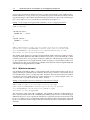
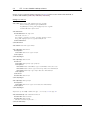
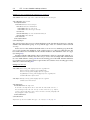
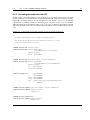
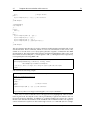
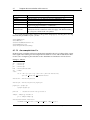
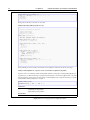
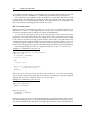
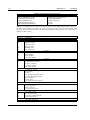
Listing 2.29: Changes to the base XTE DTD from listing 2.9 to make it “Schema compatible”
(continued)
%typeAttribute;
CDATA #IMPLIED
xmlns:typeNS
CDATA #IMPLIED
xmlns
CDATA #IMPLIED
>
... more element definitions ...
<!ENTITY % default.attributes "start
end
CDATA #IMPLIED
CDATA #IMPLIED
... more attribute definitions ...
%typeAttribute;
CDATA #IMPLIED
xmlns:typeNS
CDATA #IMPLIED
xmlns
CDATA #IMPLIED"
>
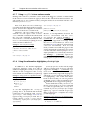
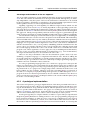
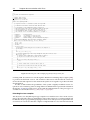
First of all we define entities for the namespace prefix of the http://www.w3.org/2001/XMLSche
ma-instance namespace and entities for attributes from this namespace. For brevity we
will use the default xsi: namespace prefix for this namespace in the following part of
this section. The XTE root element is then extended by the xmlns:xsi attribute the content of which is preset to the fixed value http://www.w3.org/2001/XMLSchema-instance and
the xsi:schemaLocation attribute which will hold the URL of the Schema against which the
instance document should be validated. For the case where the user also wants to validate against an XML Schema which uses no target namespace, we additionally add the
xsi:noNamespaceSchemaLocation attribute.
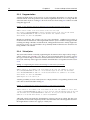
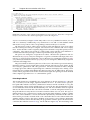
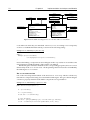
The second change extends the attribute list of the body element and the default attributes
defined in default.attributes with the xsi:type attribute. This is done in order to support
the user customization of encodings through derivation as demonstrated in listing 2.24.
Because all new encoding elements should use the attributes defined in the parameter entity
default.attributes, they all are customizable by default. If the derived element is defined
in its own namespace, a possibility is needed to make this namespace available before it
can be referenced in the xsi:type attribute. This is exactly the function of the xmlns:typeNS
attribute. It can be used to bind the typeNS: prefix to an arbitrary namespace which can then
be referenced in the xsi:type attribute.
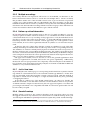
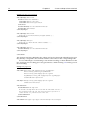
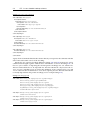
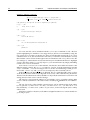
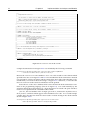
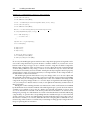
Notice that the additional xsi:type and xmlns:typeNS attributes on the body element are
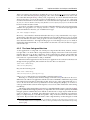
only necessary if the XTE Schema is defined by means of derivation. The following listing
shows how they would be used in an instance document validated by the custom encoding
div1Body which is defined in the namespace http://www.language-explorer.org/XTE/div1.
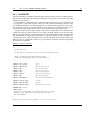
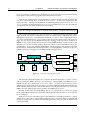
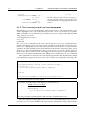
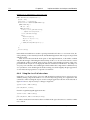
Listing 2.30: Usage of the xsi:type and xmlns:typeNS attributes.
...
<xte:body encodingName="Default" type="default" view="native"
xmlns:typeNS="http://www.language-explorer.org/XTE/div1"
xsi:type="typeNS:div1Body">
<div1 xmlns="http://www.language-explorer.org/XTE/div1" link="1">
<p link="1">
<s start="0" end="44" link="1" style="title1" />
</p>
...
Dissertation der Fak. f. Informations- u. Kognitionswissenschaften, Univ. Tübingen - 2004