1
Transmission System:
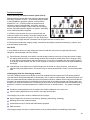
Picture Archiving and Communication System (PACS)
Medical facilities that work with large volumes of digital images
have likely invested in a PACS. VHA facilities have the option
of using VistaRad or proprietor systems, such has AGFA,
KODAK G.E., etc. A PACS provides the equipment and
software to capture images digitally, store them, and then
retrieve and view the images. It may include various imaging
devices, from MRI systems to digital x-ray systems, depending
on the medical specialties supported.
In a PACS environment the user is not concerned with the
method or location of file storage. These are managed by the
technical staffs that support the system. The user simply has to
know how to put images and other information into the system and how to retrieve them.
A PACS system provides the imaging, storage, transmission and display components necessary to capture, store
and view images electronically.
Non-PACS
In a non-PACS environment, image storage and retrieval could take many forms, but generally fall into two
categories: Central Storage and Local Storage.
•
•
Central Storage: Generally, there will be a central storage location on some sort of computer network. Images
are captured and saved to the central storage location and retrieved as needed. Each form of imaging is likely
to use a different storage system and format which may or may not be compatible with other imaging systems
in the facility. As with a PACS, the user of such a system is not likely to need to know much about the details of
file storage.
Local Storage: On a simpler level, individual images can be stored on a single computer, such as those
captured using a still digital camera. The pictures may be used as attachments to email, or to document patient
care.
VistA Imaging (From the Vista imaging website)
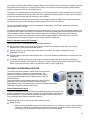
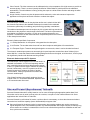
The VISTA Imaging System is an extension to the VistA hospital information system and is the primary platform
upon which store and forward telehealth is utilized within VHA. It captures clinical images, scanned documents, and
other non-textual data files and makes them part of the patient’s electronic medical record. Image and text data are
provided in an integrated manner that facilitates the clinician’s task of correlating the data and making patient care
decisions in a timely and accurate way. The system serves as a tool to aid communication and consultation among
physicians—whether in the same department, in different services, or at different sites. The system is designed
to…
•
•
Provide the treating physician with a complete view of patient data and, at the same time...
Allow consulting physicians to have access to the image and text data.
VistA Imaging can provide a number of different kinds of images:
•
•
•
•
Clinical images such as those from endoscopy, pathology, dermatology, cardiology
Radiology and nuclear medicine images
Scanned documents for clinical and administrative purposes
EKG waveforms
VistA Imaging images can also be viewed remotely, thus providing telehealth or teleradiology functionality.
40