1
Chen et al. Proteome Science 2011, 9:9
http://www.proteomesci.com/content/9/1/9
A
Page 3 of 14
Control output
Signal input
Gas lines
Water recycling
Solenoid valve
Controller
CO2 scrubber
CO2
13
CO2 free air
1.
presure
release
Data
acquisition
and control
3.
Cold plate
Dehumidifier
2.
4.
Sensors:
Temp.
Humidity
Pressure
CO2
analyzer
5.
C2H4 scrubber
(KMnO4)
B
C
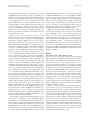
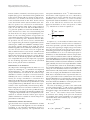
Figure 1 Sealed enclosure for whole-plant labeling with 13CO2.
(A) Diagram of the system, including in-line gas flow control,
continuous CO2 measurement, Peltier-based dehumidifier, ethylene
scrubber, sensors for temperature, humidity and enclosure pressure
and data acquisition and control devices. (B) Photograph of the
system placed on its movable cart. The enclosure (30.4 cm × 30.4
cm × 30.4 cm) shown is in its primary single cube configuration. An
additional cube can be added on the top of the first cube to
increase the total growth overhead space. (C) Three-week-old
Arabidopsis seedlings grown in the enclosure from seed in 99 atom
% 13CO2.
The design of the enclosure provided an environment
where available CO2 had a high 13C enrichment (~99%)
for growing whole plants. This was accomplished by
repeated purges of the complete system with CO2-free
air followed by a cycle of equilibration with 300 ppm
13
CO2, a second purge, and re-equilibration. This was
routinely performed to ensure the lowest contamination
of ambient CO 2 in the enclosure prior to initiating
labeling experiments.
13
C enrichment of plant derived compounds obtained
using the enclosure
To investigate the efficiency of 13CO2 labeling using this
enclosure, the enrichments in individual amino acids
and peptides derived from proteins were monitored
using GC-MS and LC-MS/MS, respectively.
Amino acids serve as precursors to many metabolites,
including proteins, primary metabolites, plant hormones
and nucleic acids, and function as the main carriers for
nitrogen metabolism. In plants, photosynthesis plays a
vital role in amino acid synthesis as it does in the production of all carbon containing metabolites. Monitoring
amino acid enrichment and turnover should thus provide an excellent indication of how completely plants
are labeled with 13CO2. We employed a rapid and highly
sensitive methyl chloroformate derivatization GC-MS
method for amino acid profiling [34] which, due to the
low mass of the added groups and the stability of the
derivatized amino acids, was well suited for such isotopic enrichment studies. We first determined the total
number of carbon atoms in most of the major fragments
of the methyl chloroformate-derivatized amino acids by
using unlabeled and fully labeled amino acid standards
(Additional file 2). The molecular or, alternatively,
major fragment ions (typically [M-59] + ) of sufficient
intensity were used to provide isotopomer distribution
information for the enrichment calculations.
In order to measure amino acid turnover, after an
initial 13CO2 labeling period beginning at germination,
[ 13 C]-enrichment was monitored immediately after
removal from the 13CO2 enclosure and at various periods
of growth in ambient air (with 12CO2) to allow dilution
of the isotope pools. Samples of [13C]-labeled Arabidopsis
leaves were harvested at least 4 h after the start of the
light period to reduce major metabolic changes due to
the diurnal cycle [19]. No significant differences in plant
morphology were observable throughout the three-week
growth period between plants grown inside and outside
the [13C]-enclosure (using otherwise identical conditions,
in the same walk-in growth chamber). Of 17 amino acids
monitored, 9 amino acids, including serine, glycine, alanine, methionine, glutamine, histidine, tyrosine, phenylalanine and tryptophan, were essentially fully enriched
(> 98%) after 13CO2 labeling from the time of seed germination (Figure 2). The remaining observable amino acids
showed enrichments of >93%, except for proline, which
had only 85% enrichment.
Amino acid half-lives in Arabidopsis leaves were
determined using changes in isotopic distributions
observed in mass spectra of labeled amino acid ions