1
11
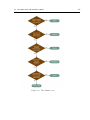
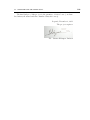
2.5. E-FORMS TYPES
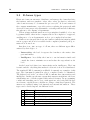
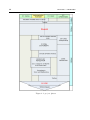
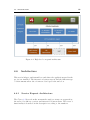
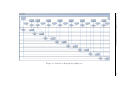
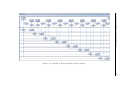
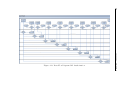
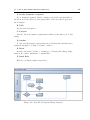
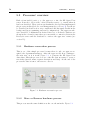
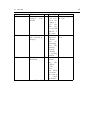
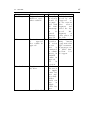
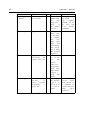
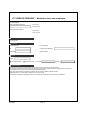
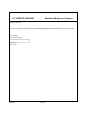
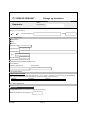
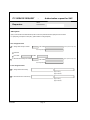
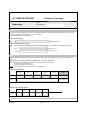
Figure 2.1: E-forms types
A brief explanation can be read below:
2.5.1
Static level
It was described previously as the lowest level of the e-Forms. This type of
form is basically a paper form distributed electronically. In Daikin Europe
we could find these forms as services requests in the intranet. It could just be
printed or faxed. Also, getting data from the form to a database or system
is usually manual. As it was in Daikin before the project, one person had
to read the document sent by fax and get the important data to register it
in HP Open View as a support request, and after be split in different tickets
according to what they requested.
2.5.2
Editable level
At this level, the user can type into the form but it doesn’t respond intelligently. The form has to be printed or saved and attached to an email to
be submitted. In most cases, manual processes are still required to get data
from the form into a database or system. The documents used in Daikin
were of this type. They were Microsoft Word documents prepared without
using any specific functionality. The places where data should be entered
were indicated by rows of underscores, dotted lines or tables.
2.5.3
Fillable level
Here the use of widgets (as drop down lists) reduces both errors and workload,
as there are now limitations on the type of data to be entered. In this level
the data is able to be programmatically extracted from the form and placed
into a database. Whether this can be done, however, depends on how the
form has been developed. Most of the forms in internet navigators use this
type.
2.5.4
Validation level
Between levels 3 and 4 interactivity is introduced. This level provides feedback to entries from the user. This feedback is triggered by internal mechanism. Validation is the most typical interactivity in E-forms. It is the
checking of answers provided against definitions of what is acceptable. The
form will give an error message if mandatory fields have been left unfilled.