1
LM6
LM6
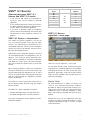
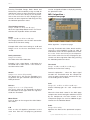
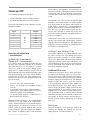
LM6 represents a quantum leap away from simply measuring audio level to measuring perceived loudness. The old level method is responsible for unacceptable level jumps in television,
for music CDs getting increasingly distorted, and
for different audio formats and program genres
becoming incompatible: Pristine music tracks
from the past don’t coexist with new recordings,
TV commercials don’t fit drama, classical music
or film and broadcast doesn’t match. The most
fundamental audio issue of all – control of loudness – every day makes millions of people adjust
the volume control over and over again.
LM6 is part of a universal and ITU standardized loudness control concept, whereby audio
may easily and consistently be measured and
controlled at various stages of production and
distribution. LM6 works coherently together with
other TC equipment, or with equipment of other
brands adhering to the same global standard.
Follow the guidelines given to allow audio produced for different purposes to be mixed, without low dynamic range material such as commercials or pop CD’s always emerging the loudest.
►►
►►
►►
►►
►►
►►
►►
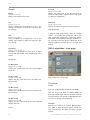
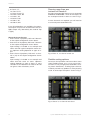
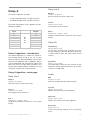
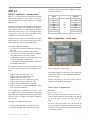
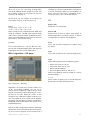
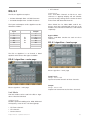
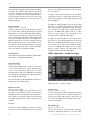
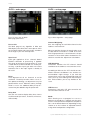
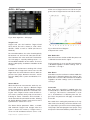
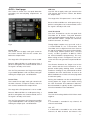
Loudness meter fully compliant with EBU
R128
Loudness meter fully compliant with ATSC
A/85
Loudness meter fully compliant with ITU-R
BS.1770
Loudness meter fully compliant with ITU-R
BS.1770-2
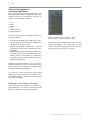
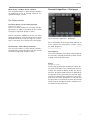
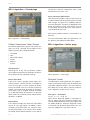
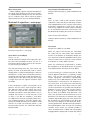
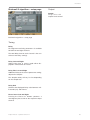
Radar meter showing Momentary and Shortterm loudness
True-peak bar-graph meters
Advanced Logging functionality
Introduction
Since 1998, TC has performed listening tests
and evaluation of loudness models; and therefore holds an extensive, Universal Database of
loudness, based on ten thousands of assessments. The database covers all sorts of broadcast material, music, commercials, feature film
and experimental sounds, and is verified against
other independent studies.
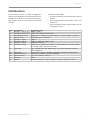
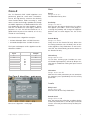
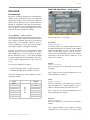
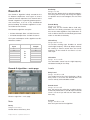
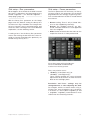
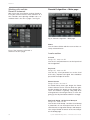
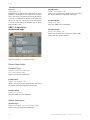
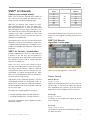
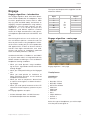
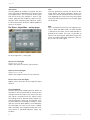
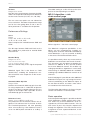
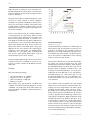
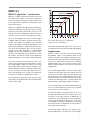
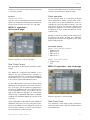
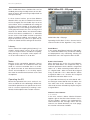
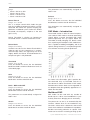
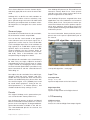
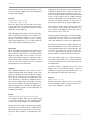
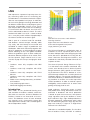
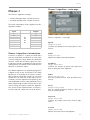
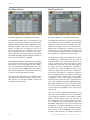
Fig 1.
Left: DRT for consumers under different
listening situations
Right: Peak level normalization means
that material targeted low dynamic
range platforms gets loud.
The Universal Database is authoritative from an
academic as well as a practical point of view. It
has been indispensable when designing the LM6
meter, because it provided the missing link between short-term and long-term loudness, and
enabled the statistically founded Universal Descriptors of LM6 .
The chart of Dynamic Range Tolerance in Fig 1
is a side-effect of the studies mentioned: Consumers were found to have a distinct Dynamic
Range Tolerance (DRT) specific to their listening environment. The DRT is defined as a Preferred Average window with a certain peak level
Headroom above it. The average sound pressure
level, which obviously is different from one listening condition to another, has to be kept within
certain boundaries in order to maintain speech
intelligibility, and to avoid music or effects from
getting annoyingly loud or soft.
Audio engineers instinctively target a certain
DRT profile when mixing, but because level normalization in broadcast and music production
is based on peak level measures, low dynamic
range signatures end up the loudest as shown
by the red line in Fig 1, right. Audio production is
therefore trapped in a downwards spiral, going
for ever decreasing dynamic range. By now, the
pop music industry is “right of” In Flight Entertainment in the illustration.
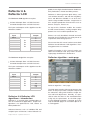
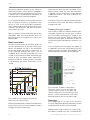
LM6 offers a standardized option: The visualization of loudness history and DRT in combina-
English Manual – Updated 2014-07-22179