1
Routing Ponds
One of the most common requirements for post-development storm water
management is that the post-development discharges not exceed the
pre-development discharges for one or more storm frequencies. The detention basin is generally the least expensive and most reliable measure for
controlling post-development peak discharges.
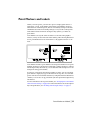
To begin the process of designing a detention pond, start by calculating the
post-development runoff using one of the runoff calculation methods. The
hydrograph of the post-development runoff flow is called the inflow
hydrograph because it represents the flow rate of water entering the
detention pond.
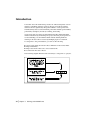
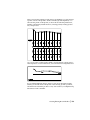
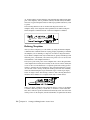
Using this inflow hydrograph (and other runoff data), you can calculate the
required storage volume for a pond. In addition, you can generate the outflow hydrograph that represents the flow rate of water exiting the detention
pond. This process of calculating the outflow hydrograph for a detention
basin based on the inflow is called routing.
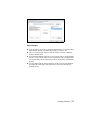
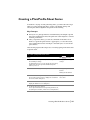
Key Concepts
■
■
148
|
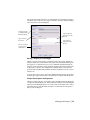
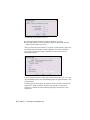
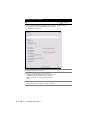
The program provides two commands to calculate routing data. Use the
Detention Basin Storage command to calculate the required storage
volume for a pond, and use the Storage Indication method command to
calculate a routed hydrograph.
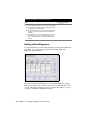
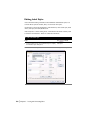
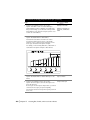
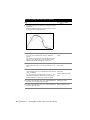
You can create the routed hydrograph for the detention pond by using the
Storage Indication Method. This command uses a post-development
hydrograph, stage-storage curve, and stage-discharge curve (as well as an
optional pre-development hydrograph for viewing in the multiple
hydrographs plot) to route runoff.
Chapter 10
Hydrology and Hydraulics