1
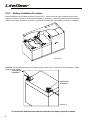
• Connect switched 277VAC power to the 277V input connection of the input terminal block (pins not numbered).
Connect utility and load wires to appropriate terminal blocks and ensure the input, output, and chassis are grounded.
Once all the electrical and conduit connections have been made and are secure, turn the electronics module back to
its original orientation and reinstall the four screws through the side wall into the module. Be careful not to pinch any
wires between the module and the cabinet.
Externally switched loads can be switched per Fig. 102-1.
Fig. 102-1
103. Installing The Batteries and DC Wiring
103.1
General Precautionary Measures
A qualified electrician who is familiar with battery systems and required precautions must install and service the
batteries. Any battery used with this unit shall comply with the applicable requirements for batteries in the standard
for emergency lighting and power equipment, UL 924. Cabinets are designed to be used with, and batteries must
be replaced with identical cells or a Dual-Lite approved equivalent. If using substitute batteries not supplied by DualLite, the unit’s UL listing will be void, and the equipment may fail to perform properly. The installation must conform to
national and local codes as well. Keep unauthorized personnel away from batteries.
Wear protective clothing, eye-wear, rubber gloves and boots. Batteries contain corrosive acids or caustic alkalis and
toxic materials and can rupture or leak if mistreated. Remove rings and metal wristwatches or other metal objects and
jewelry. Don’t carry metal objects in pockets where the objects can fall onto the batteries or into the LiteGear inverter
system.
Tools must have insulated handles so that they will not short battery terminals. Do not allow a tool to short a battery
terminal to another battery terminal or to the cabinet at any time. Do not lay tools or metal parts on top of the batteries,
and do not lay any objects where they could fall onto the batteries or into the cabinet.
Install the batteries as shown on the battery wiring diagram provided in this manual with the cables provided. When
connecting cables, never allow a cable to short across a battery’s terminals, the string of batteries, or to the cabinet.
Keep the cables away from any sharp metal edges.
Install the battery cables so they cannot be pinched by the LiteGear inverter system’s cover.
Where conductors may be exposed to physical damage, protect conductors in accordance with NEC requirements.
Full voltage and current are always present at the battery terminals. The batteries used in this system can produce
dangerous voltages, extremely high currents, and possible risk of electric shock. Batteries may cause severe injury if
the terminals are shorted together or to ground (earth). Be extremely careful to avoid electric shock and burns caused
by contacting battery terminals or shorting terminals during battery installation. Do not touch uninsulated battery
terminals.
103.2
Installation Considerations
This section explains how to install the LiteGear system’s batteries and cables. A qualified electrician who is familiar
with battery installations and applicable building and electrical codes must install the batteries.
7