1
BOC Smootharc Advance MIG 200C/275C/275R/350R Operating manual
1.1 Health Hazard Information
The actual process of MIG welding is one that can cause a variety of
hazards. All appropriate safety equipment should be worn at all times,
i.e. headwear, hand and body protection. Electrical equipment should be
used in accordance with the manufacturer’s recommendations.
Eyes
The process produces ultra violet rays that can injure and cause
permanent damage. Fumes can cause irritation.
Skin
Arc rays are dangerous to uncovered skin.
Inhalation
Welding fumes and gases are dangerous to the health of the operator
and to those in close proximity. The aggravation of pre-existing
respiratory or allergic conditions may occur in some workers. Excessive
exposure may cause conditions such as nausea, dizziness, dryness and
irritation of eyes, nose and throat.
• Fumes from the welding of some metals could have an adverse effect
on your health. Don’t breathe them in. If you are welding on material
such as stainless steel, nickel, nickel alloys or galvanised steel, further
precautions are necessary.
• Wear a respirator when natural or forced ventilation is not sufficient.
Eye protection
A welding helmet with the appropriate welding filter lens for the
operation must be worn at all times in the work environment. The
welding arc and the reflecting arc flash gives out ultraviolet and infrared
rays. Protective welding screen and goggles should be provided for
others working in the same area.
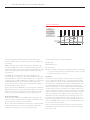
Recommended filter shades for arc welding
Less than 150 amps
150 to 250 amps
250 to 300 amps
300 to 350 amps
Over 350 amps
Shade 10*
Shade 11*
Shade 12
Shade 13
Shade 14
1.2 Personal Protection
*Use one shade darker for aluminium.
Respiratory
Confined space welding should be carried out with the aid of a fume
respirator or air supplied respirator as per AS/NZS 1715 and AS/NZS 1716
Standards.
Clothing
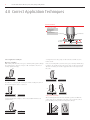
Suitable clothing must be worn to prevent excessive exposure to UV
radiation and sparks. An adjustable helmet, flameproof loose-fitting
cotton clothing buttoned to the neck, protective leather gloves, spats,
apron and steel capped safety boots are highly recommended.
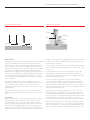
• You must always have enough ventilation in confined spaces. Be alert
to this at all times.
• Keep your head out of the fumes rising from the arc.
5