1
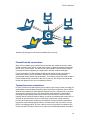
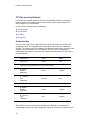
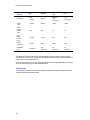
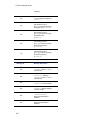
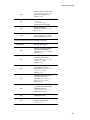
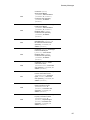
PC-Duo Overview Gateway (see ―Firewall-friendly connections‖ for more information about PC-Duo firewallfriendly connections). To guarantee security in the PC-Duo environment, it is critical that PC-Duo components acting as servers validate the credentials of users of PC-Duo components acting as clients before they provide access or data. The burden is placed on the client to authenticate itself to the server. PC-Duo implements two types of authentication to support this: ―Identity Authentication‖ ―Endpoint Authentication‖ Identity Authentication In general, this operation answers the following security question: How does the server know who the client is? A PC-Duo application acting as a server will not provide access or information to any PC-Duo application acting as a client until it can validate that client‘s identity. PC-Duo provides the server three different methods of authenticating the identity of the PC-Duo client: Connection Windows authentication Simple password Sharedsecret password Peer-to-peer Yes Yes No Gateway-managed (Gateway & Host are in same domain) MasterGateway relationship Yes No No GatewayHost relationship Yes No Yes Gateway-managed (Gateway & Host are not in same domain) MasterGateway relationship Yes No No GatewayHost relationship No No Yes Windows authentication: By default, a PC-Duo application acting as a server uses Windows authentication to check the Windows credentials of the client application: The Host will check the Windows credentials of the PC-Duo Master user in the case of a peer-to-peer connection; 23