1
SAFETY RULES FOR CIRCULAR
SAWS
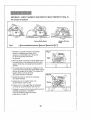
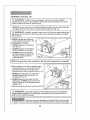
Keep hands away from cutting area and blade. Keep your
second hand on the auxiliary handle or motor housing. If both hands are holding
the saw, the blade cannot cut them.
Z_ CAUTION:
Blades coast after saw is switched off.
t KEEP your body positioned to eithei side of the saw blade and not in direct
line with the saw blade. Kickback could cause the saw to jump backwards (See
"Kickback What Causes It and Ways to Prevent It" on pages 18 and I9)
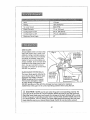
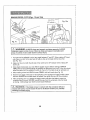
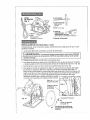
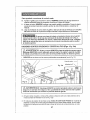
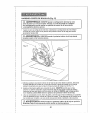
2. DO NOT reach underneath the work. The guard cannot protect you from the blade
beneath the workpiece.
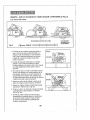
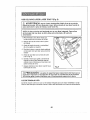
DOES NOT cover the blade on the underside of the workpiece (Pgo 17 Fig. 4).
_ALWAYS keep your When
through
a workpiece,
the lower
blade guard
handssawing
and fingers
away
from the cutting
area.
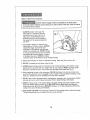
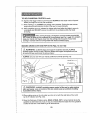
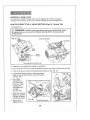
3. CHECK lower guard for proper closing BEFORE each use. DO NOT operate the saw
if the lower guard does not move freely and close instantly. Never clamp or tie the
lower guard in the open position. If the saw is accidentally dropped, timelower guard may
be bent. Raise the lower guard with the retracting lever The guard is operating properly
when it moves freely, does not touch the blade or any other part in all angles and depths
of cut, and readily returns to the closed position
4 CHECK the operation and condition of the lower guard spring, If the guard and the
spring are not operating properly, they MUST BE serviced before use. The lower
guard may operate sluggishly, due to damaged pads, gummy deposits, or a buildup of
debris DO NOT operate your saw until the damage has been repaired or replaced.
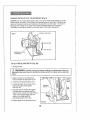
5 The lower guard should be retracted manually ONLY for making special cuts, such
as pocket or compound cuts. ALWAYS raise the lower guard by retracting its lever.
As soon as the blade enters the material, the lower guard MUST be released. For al!
other sawing, the lower guard should operate automatically
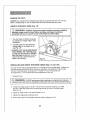
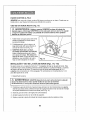
6 ALWAYS make sure that the lower guard is covering the blade BEFORE placing the
saw down on a work bench or floor. An unprotected moving blade wil! cause the saw to
walk backwards, cutting whatever is in its palh Make note of the time it takes for the blade
[o stop spinning alter the switch is released.
7 NEVER hold the piece being cut in your hands or across your legs. tt is important to
support the workpiece properly in order to minimize body exposure, blade binding, or toss
of control.
8 HOLD TOOL by insulated gripping surfaces (handles) when performing an operation
where the cutting tool may contact hidden wiring or its own cord. Contact with a "live"
wire will make the exposed metal parts of the tool "live" and shock the operator
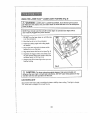
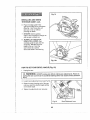
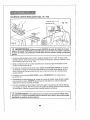
9 ALWAYS clamp the workpiece
securely so it will not move when making the cut
10 When ripping, ALWAYS USE a rip fence or straight edge guide. This improves the
accuracy of the cut and reduces the chance of the blade binding.
11. ALWAYS USE blades that have the correct size and shape (diamond vso round) arbor
holes. Blades that do not match the mounting hardware of the saw will run erratically and
cause loss of control
9
I
I
1
I