1
81183_2 S7.book Page 25 Wednesday, May 7, 2003 1:52 PM
Chapter 2: Setting Up Graphic Displays
7-2-25
Calibrating the Speed transducer
Speed calibration principles
The object of speed calibration is to ensure that the speed readings at the
ST290 instruments are true indications of the boat speed, ideally over the
operating speed range of the vessel, i.e. from stationary to top speed.
In order to take into account the changes in water-flow characteristics
across the hull, for the different speeds, it is advisable carry out speed
calibration at as many speeds as possible, up to the maximum of five,
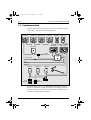
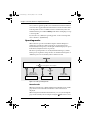
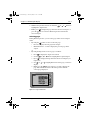
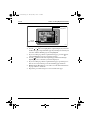
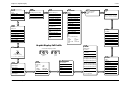
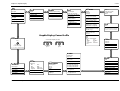
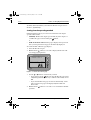
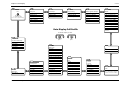
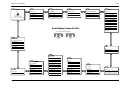
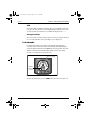
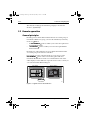
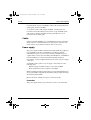
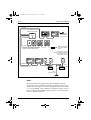
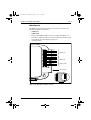
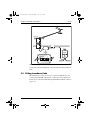
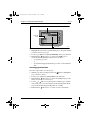
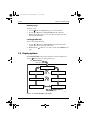
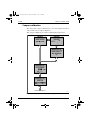
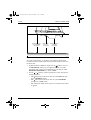
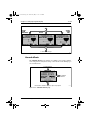
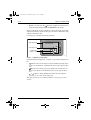
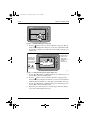
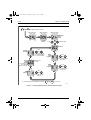
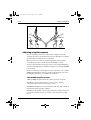
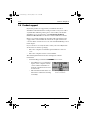
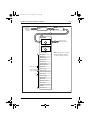
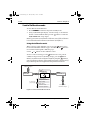
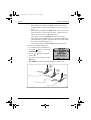
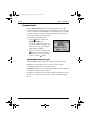
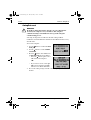
provided by the calibration screen (see Figure 2-24 ). This is
particularly important for planing vessels.
From Wind Vane calibration
Calibration speeds
Calibration factor
values
To Depth Offset screen
D5978-1
Figure 2-24: Speed transducer calibration (Graphic Display)
The correct calibration at each speed is achieved by applying a
calibration factor to the indicated speed reading. The correct value for the
calibration factor is obtained by one of two methods:
• If SOG information is available, you can apply this to the system so
that the calibration factor is automatically adjusted to give a speed
reading that equals the SOG value.
• If SOG information is not available, you need to manually calculate
and apply the correct calibration factor.
Procedures
In order to achieve accurate results, speed calibration must be carried out
in conditions of zero tide and zero current.
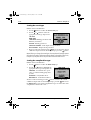
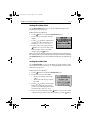
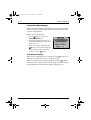
Carry out the Start calibration procedure followed by the Set to SOG or
Manual calibration procedure, as required.
ST290 Instrument System Owner’s Handbook