1
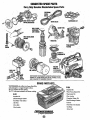
STARTER MOTOR
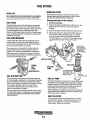
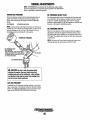
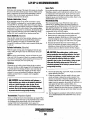
DESCRIPTION
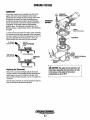
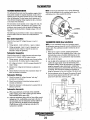
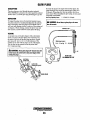
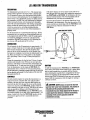
The starter is a new type, small, light-weight and is called a
high-speed internal-reduction starter. The pinion shafris
separate from the motor shaft; the pinion ~lides only on the
pinion shaft. A rednction gear is installed between the motor
shaft and a pinion shaft. The pinion sliding part is not
exposed outside the starter so that the pinion may slide
smoothly without becoming fouled with dust and grease. The
motor shaft is supported at both ends on ball bearings. The
lever mechanism, switch and overrunning clutch inner circuit
are identical to conventional ones.
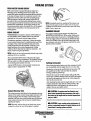
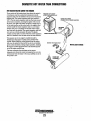
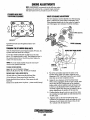
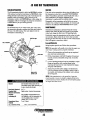
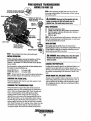
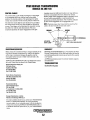
TERMINALS-""-~
...,.,.....
[r~---(M) TERMINAL
IGNITION
TERMINAL
SOLENOID
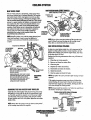
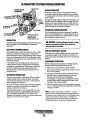
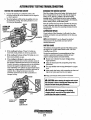
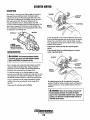
To test the ignition circuit, locate the ignition(s) terminal (it
is one of the small terminal studs and is wired to the ignition
circuit). Use a screwdriver, don't touch the blade, to jump
from that ignition terminal to the positive battery connection
terminal on the solenoid.
If the starter cranks, the fault lies with the ignition
'
circult.
If the solenoid clicks bnt nothing happens, the starter
motor is probably faulty.
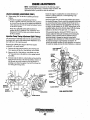
MOTOR
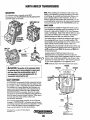
TYPICAL
STARTER MOTOR
,
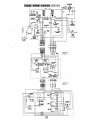
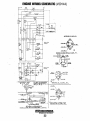
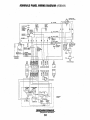
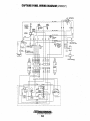
REFER TO THEW/RING
DIAGRAM IN THIS MANUAL
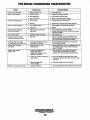
TROUBLESHOOTING
A WARNING: The following emergency starting
SOLENOID
~
procedures must not be used with gasoline engines.
Sparks could cause an explosion and fire.
'AI''h'"--_(+) POSITiVE
Prior to testing, make certain the ships batteries are at full
charge and that the starting system wiring connections
(terminals) are clean and tight. Pay particular attention to
the 'ground wire connections on the engine block.
To check the wiring, try Cfl",c'dng the starter for a few
seconds, never more than 10 ,seconds at a time, then run your
hand along the wires and terminals looking for warm spots
that indicate resistance, Repair or replace any trouble spots,
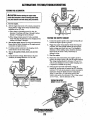
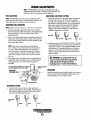
Using a multimeter, test the voltage between the positive
terminal stud on the start solenoid and the engine block
(ground).,
If you read 12 volts, the starter is faulty.
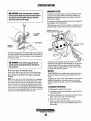
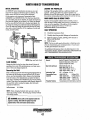
'TERMINAL
. r~--(M) TERMINAL
IGNITION
, TERMINAL
~
If nothing hapF"ns at all, the solenoid is not getting
cnrrent.. Check the battery isolation switch and inspect the
wiring connections. it is also possible that the solenoid is
defective,
.
A WARNING: There will be arching and sparks will
fly. when jumping terminals. Be certain the engine
space Is free of potentially BJi#lloslve fumes, especially
gasoline, and tirat there are NO flammable solvents or
materials stored nearby.
-..v WESTERBEKE
Engines & Generators
29