1
19 1738 ch18
7/30/04
1022
10:41 AM
Chapter 18
Page 1022
Input Devices
Keyboard Technology
The technology that makes up a typical PC keyboard is very interesting. This section focuses on all
the aspects of keyboard technology and design, including the keyswitches, the interface between the
keyboard and the system, the scan codes, and the keyboard connectors.
Keyswitch Design
Today’s keyboards use any one of several switch types to create the action for each key. Most keyboards use a variation of the mechanical keyswitch. A mechanical keyswitch relies on a mechanical
momentary contact-type switch to make the electrical contact that forms a circuit. Some high-end
keyboards use a more sophisticated design that relies on capacitive switches. This section discusses
these switches and the highlights of each design.
The most common type of keyswitch is the mechanical type, available in the following variations:
■ Pure mechanical
■ Rubber dome
■ Foam element
■ Membrane
Pure Mechanical Switches
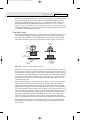
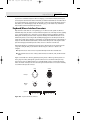
The pure mechanical type is just that—a simple mechanical switch that features metal contacts in a
momentary contact arrangement. The switch often includes a tactile feedback mechanism, consisting
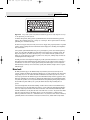
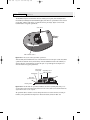
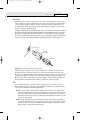
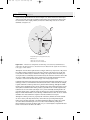
of a clip and spring arrangement designed to give a “clicky” feel to the keyboard and offer some resistance to the keypress (see Figure 18.3).
Keytop
Contacts
Figure 18.3 A typical mechanical switch used in older NMB keyboards. As the key is pressed, the switch
pushes down on the contacts to make the connection.
Mechanical switches are very durable, usually have self-cleaning contacts, and are normally rated for
20 million keystrokes (which is second only to the capacitive switch in longevity). They also offer
excellent tactile feedback.
Despite the tactile feedback and durability provided by mechanical keyswitch keyboards, they have
become much less popular than membrane keyboards (discussed later in this chapter). In addition,
many companies that produce keyboards that use mechanical keyswitches either use them for only a
few of their high-priced models or have phased out their mechanical keyswitch models entirely. With
the price of keyboards nose-diving along with other traditional devices, such as mice and drives, the
pressure on keyboard makers to cut costs has led many of them to abandon or de-emphasize
mechanical-keyswitch designs in favor of the less expensive membrane keyswitch.