1
G 4 0 0 0 A O P E R AT I O N M A N UA L
9 MORE INFORMATION ABOUT SHORTWAVE
MORE INFORMATION ABOUT SHORTWAVE continued
Listed below are the characteristics of the major
shortwave bands. Follow these guidelines for best
listening results. Because shortwave signals depend
on such factors as the sun, the ionosphere and the
earth itself, signals cannot be heard on all bands
throughout the day. Some bands are best during
the daylight hours, and some are best at night.
If the term “band” is new to you, please read the
section titled, “WHAT IS A SHORTAVE BAND?”
on page 11.
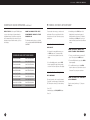
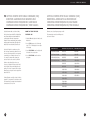
D AY T I M E L I S T E N I N G
EVENING LISTENING
Shortwave listening is generally at its poorest during
the daylight hours of about 10 a.m. to 3 p.m. The
major reason for this is that the broadcasters are
not transmitting to North America at thistime. They
assume that we are all either at work or at school,
and are not able to listen during the day. If you
want to try daytime listening, use the guidelines
below. You will have some success, but not nearly
as good as during the late afternoon and evenings.
The best bands are BOLD.
This is the best time to listen, because the broadcasters are deliberately transmitting to North
16
DAYBANDS
CHARACTERISTICS
13m
Results vary. Worth trying.
16m
Similar to 19m.
19m
The best daytime band.
22m
Similar to 19m (fewer stations).
25m
Best around sunrise/sunset.
31m
Similar to 25m.
America. These bands may be extremely good
around sunset and sunrise too. Best bands are
BOLD.
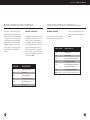
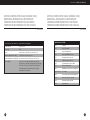
NIGHT BANDS
CHARACTERISTICS
19m
Summer months.
22m
Summer months.
25m
Best 2 hours before/after sunrise/sunset
31m
Good all night everywhere
41m
Good all night in Eastern North America;
varies in Western North America
49m
The best night band everywhere.
NOTE: Getting close to a window may substantially improve your reception.
17