1
ENGLISH
RAIS - manual for RAIS 2:1
Drying and storage
Drying wood takes time: proper air drying takes approx. 2 years.
Here are some tips:
Store the wood sawn, split and stacked in an airy, sunny place, which is protected against
rain (the south side of the house is particularly suitable).
Store the firewood stacks at a hand’s breadth apart, as this ensures that the air flowing
through takes the moisture with it. Avoid covering the firewood stacks with plastic, as
this prevents the moisture from escaping. It is a good idea to bring the firewood into the
house 2-3 days before you need it.
Regulating the combustion air
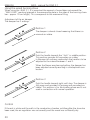
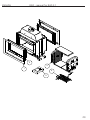
All RAIS stoves are equipped with a one-handed operating lever for regulating the damper. The stove-specific regulating mechanisms can be seen on the diagrams.
Primary air is the combustion air added to the primary combustion zone, i.e. the bed of
glowing embers. This air, which is cold, is only used in the lighting stage.
Secondary air is the air which is added in the gas combustion zone, i.e. air which contributes to the combustion of the pyrolysis gasses (preheated air, which is used for the cleaner
glass system and combustion). This air is sucked through the damper under the combustion chamber and is pre-heated through the side channels and then emitted as hot scavenging air onto the glass. The hot air rinses the glass and keeps it soot-free.
The tertiary channel, which can be seen at the the top of the combustion chamber towards the back, serves to combust the final gas residues.
By setting the interval between position 1 and 2, the energy content in the firewood is
used optimally, as there is oxygen for combustion and for the burning of the pyrolysis
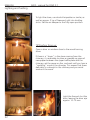
gasses. When the flames are a clear yellow the damper has been set correctly. Finding the
correct position comes with time after you have used for stove for a while.
It is not recommended that you turn it down completely. A mistake commonly made is
shutting the damper too early because it feels too hot. This results in dark smoke emanating from the chimney and in the calorific value of the firewood not being used to its
fullest.
Room ventilation and stoves
There must not be an extractor fan fitted in the same room as the stove as this can cause
the stove to emit smoke and fumes into the room.
The stove requires a permanent and adequate air supply in order for it to operate safely
and efficiently.
In accordance with current Building Regulations the installer may have fitted a permanent
air supply vent into the room in which the stove is installed to provide combustion air. This
air vent should not under any circumstances be shut off or sealed.
19