1
(Muramatsu et al., 1994), energy conversion (Furuse and Yokota, 1984) and gut maturation (Furuse
et al., 1991). Balanced colonic microflora and immunostimulation are major functional effects
attributed to the consumption of probiotics (Isolauri et al., 2001). Many probiotic effects are
mediated through immune regulation, particularly through balance control of proinflammatory and
anti-inflammatory cytokines (Ghosh et al., 1998; Neish et al., 2000).
The GIT serves as the interface between diet and the metabolic events that sustain life. In poultry,
intestinal villi, which play a crucial role in digestion and absorption of nutrients, are
underdeveloped at hatch (Uni et al., 1995) and maximum absorption capacity is attained by 10 days
of age (Noy and Sklan, 1997). Understanding and optimizing the maturation and development of
the intestine in poultry will improve feed efficiency, growth and overall health of the bird. In the
immediate post hatch period birds must undergo the transition from energy supplied by the
endogenous nutrients of the yolk to exogenous carbohydrate rich feed. During that critical time
dramatic changes occur both in the intestinal size and morphology (Uni et al., 1995). Maturational
changes also affect the epithelial cell membranes, a major mechanical interface between the internal
environment of the host and the luminal contents (Rozee et al., 1982). Studies on nutrition and
metabolism during the early phase of growth in chicks may help in optimizing nutritional
management for maximum growth (Nir, 1995). By dietary means it is possible to affect the
development of the gut and the competitiveness of both beneficial and harmful bacteria, which can
alter not only gut dynamics, but also many physiologic processes due to the end products
metabolized by symbiotic gut microflora. Additives such as enzymes, probiotics and prebiotics are
now extensively used throughout the world. The chemical natures of these additives are well
understood, but the manner by which they benefit the animal is not (Bedford, 2000).
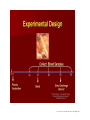
Administration of CE has been tested using several mechanisms; oral gavage, in the drinking water,
and spray or lyophilized alginate beads.
Corrier et al., (1993) reported that the methods of
administration mentioned before have all proven to be effective in the control of Salmonella
enteritidis in the cecal contents.
In the same study lyophilized alginate beads showed less
2a reunion AECACEM Querétaro 2009 Pág. 14