1
Section 2 - Protection
2.1 PROTECTING INSTRUMENT SYSTEMS
Electrical instrumentation is susceptible to damage from a variety of natural and man
made phenomena. In addition to wind, rain and fire, the most common types of system and
equipment damaging phenomena are lightning, power faults, communication surges &
noise and other electrical interference’s caused by devices such as radios, welders,
switching gear, automobiles, etc. Additionally there are problems induced by geophysical
electrical potential & noise plus things that are often beyond our wildest imagination.
2.1.1 Quality Is Conformance To Requirements
A quality instrumentation system is one that works reliably, safely and as purported by the
equipment manufacturer (and in some cases by the system integrator) as a result of good
equipment design and well defined and followed installation practices. If we except the
general definition of quality to be, “quality is conformance to requirements,” we must also
except the premise that a condition of “quality” can’t exist where requirements for such an
end have not been evolved. In other words, you can’t have quality unless you have
requirements that have been followed. By understanding the requirements for a safe, sound
and reliable instrumentation system, and by following good installation practices (as
associated with the personnel and equipment in question), the operational integrity of the
equipment and system will be enhanced.
Understanding what is required to properly install BBI equipment in various environments, safely, and in accordance with good grounding, isolating and equipment
protection practices goes a long way toward maintaining a system which is healthy to the
owner and customer alike. Properly installed equipment is easier to maintain and operate,
and is more efficient and as such more profitable to our customers. Following good installation practices will minimize injury, equipment failure and the customer frustrations
that accompany failing and poorly operating equipment (of even the finest design). Additionally, personnel involved in the installation of a piece of equipment add to or subtract
from the reliability of a system by a degree which is commensurate with their technical
prowess, i.e., their understanding of the equipment, site conditions and the requirements
for a quality installation.
2.2 PROTECTING EQUIPMENT & PERSONNEL
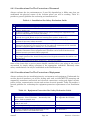
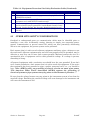
3808 MVT/TT installations must be performed in accordance with National Electrical Code
Rules, electrical rules set by local regulatory agencies, and depending on the customer
environment (gas, water, etc), other national, state and local agencies such as the American
Water Works Association (AWWA). Additionally, installation at various customer sites may
be performed in conjunction with a “safety manager” or utility personnel with HAZMAT
(hazardous material) training on materials present (or potentially present) as required by
OSHA, the customer, etc.
Section 2 - Protection
Page 2-1
S1400T