1
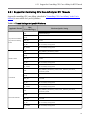
6.3 Supported Transports
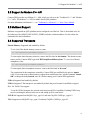
Connext DDS to receive all outgoing multicast traffic originating from the host for that port. Thus, if you
have two participants on the same host and in the same DDS domain, both listening for discovery traffic
over multicast, they will discover each other, regardless of the multicast address to which they are listening. (The correct behavior would be to receive messages only for the addresses to which the current process (not the host) is subscribed.)
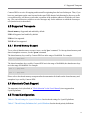
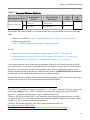
6.3 Supported Transports
Shared memory: Supported and enabled by default.
UDPv4: Supported and enabled by default.
UDPv6: Not supported.
TCP/IPv4: Not supported.
6.3.1 Shared Memory Support
To see a list of shared memory resources in use, use the 'ipcs' command. To clean up shared memory and
shared semaphore resources, use the 'ipcrm' command.
The shared memory keys used by Connext DDS are in the range of 0x400000. For example:
ipcs -m | grep 0x004
The shared semaphore keys used by Connext DDS are in the range of 0x800000; the shared mutex keys
are in the range of 0xb00000. For example:
ipcs -s | grep 0x008
ipcs -s | grep 0x00b
Please refer to the shared-memory transport online documentation for details on the shared memory and
semaphore keys used by Connext DDS.
6.4 Monotonic Clock Support
The monotonic clock (described in "Clock Selection" in the User's Manual) is not supported on
LynxOS platforms.
6.5 Thread Configuration
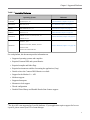
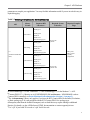
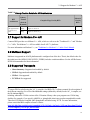
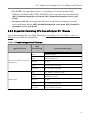
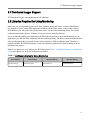
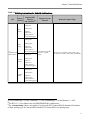
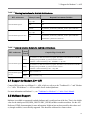
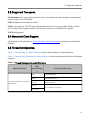
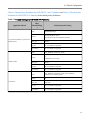
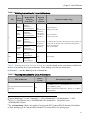
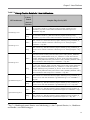
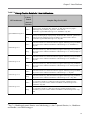
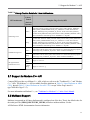
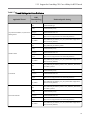
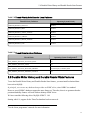
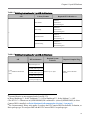
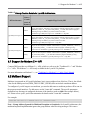
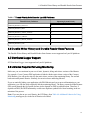
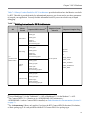
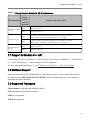
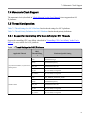
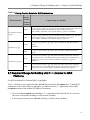
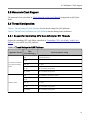
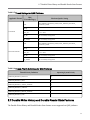
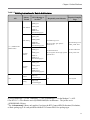
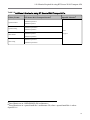
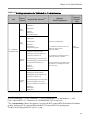
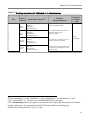
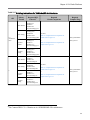
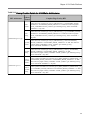
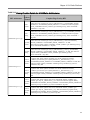
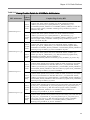
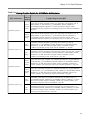
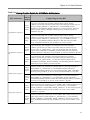
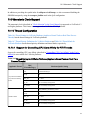
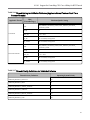
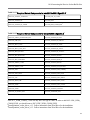
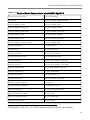
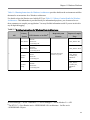
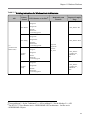
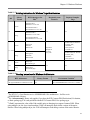
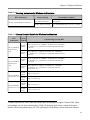
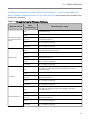
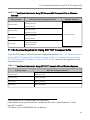
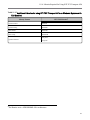
Table 6.6 Thread Settings for LynxOS Platforms lists the thread settings for LynxOS platforms.
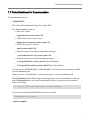
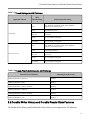
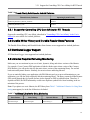
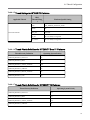
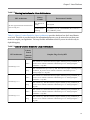
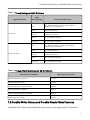
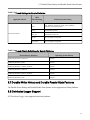
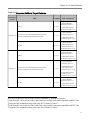
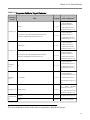
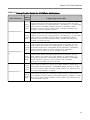
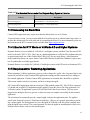
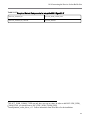
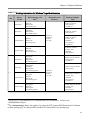
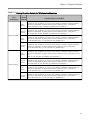
Table 6.7 Thread-Priority Definitions for LynxOS Platforms lists the thread-priority definitions.
61