1
Model 6485 Picoammeter Instruction Manual
Measurement Concepts
2-11
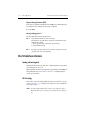
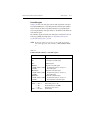
Cleaning tips:
•
Use dry nitrogen gas to clean dust off connector and terminal insulators, DUT, and
other test circuit components.
If you have just built the test fixture, remove any solder flux using methanol along
with clean foam-tipped swabs or a clean soft brush. Clean the areas as explained in
the next tip.
To clean contaminated areas, use methanol and clean foam-tipped swabs. After
cleaning a large area, you may want to flush the area with methanol. Blow dry with
dry nitrogen gas.
•
•
•
After cleaning, the test fixture (and any other cleaned devices or test circuits) should be
allowed to dry in a 122° F (50° C) low-humidity environment for several hours.
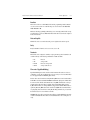
Input protection
Model 6485 incorporates protection circuitry against nominal overload conditions. However, a voltage higher than the maximum voltage value for the selected current range, and
the resultant current surge could damage the input circuitry.
NOTE
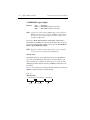
Maximum peak voltage: 220V Peak
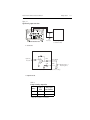
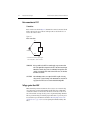
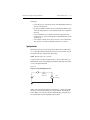
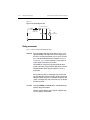
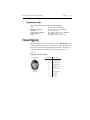
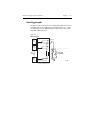
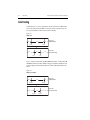
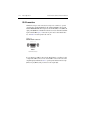
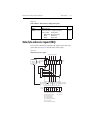
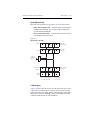
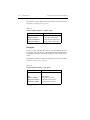
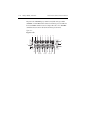
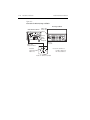
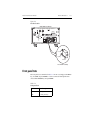
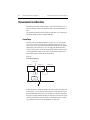
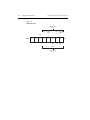
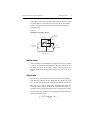
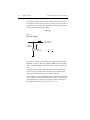
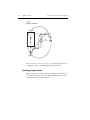
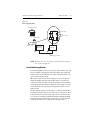
A typical test circuit to measure the leakage current of a capacitor is shown in Figure 2-6.
When Switch S is closed, an initial charging current will flow and the high voltage will be
seen across the input of Model 6485.
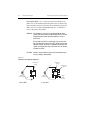
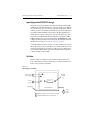
Figure 2-6
Capacitor test circuit without protection
S
V
Capacitor
Under Test
A
6485
Picoammeter
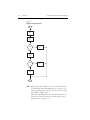
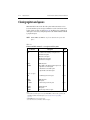
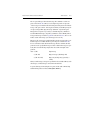
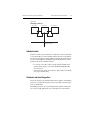
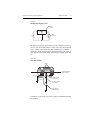
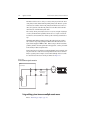
Adding a resistor and two diodes (1N3595) as shown in Figure 2-7 will provide considerable extra protection. The resistor must be large enough to limit the current through the
diodes to 20mA or less, and be large enough to withstand the supply voltage. The protection circuit should be enclosed in a light-tight conductive shield.