1
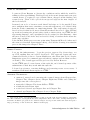
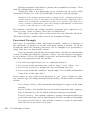
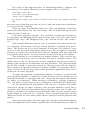
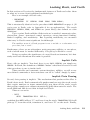
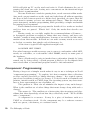
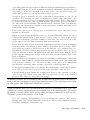
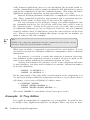
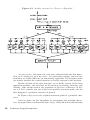
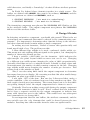
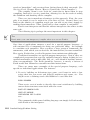
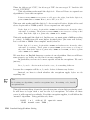
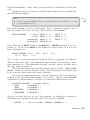
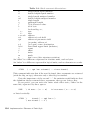
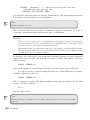
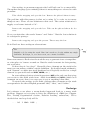
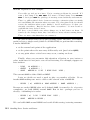
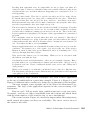
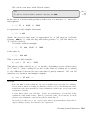
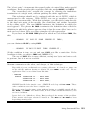
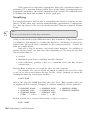
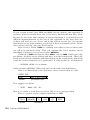
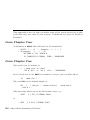
The quotient/flag becomes the argument to IF.
Furthermore, the remainder of modulo 5 division is always a number
between 0 and 4, which means that (except for our exception) we can use the
remainder directly as the argument to ONERS. We revise our phrase to
( n )
5 /MOD IF FIVER THEN
ONERS
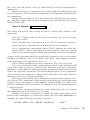
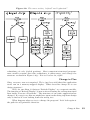
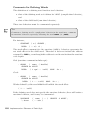
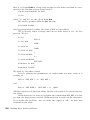
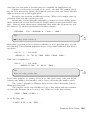
Getting back to that exception, we now see that we can test for both 4 and 9
with a single test—namely, if the remainder is 4. This suggests that we can do
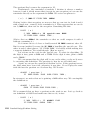
our 5 /MOD first, then test for the exception. Something like this:
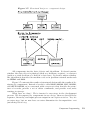
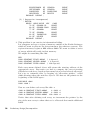
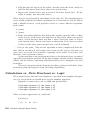
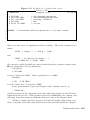
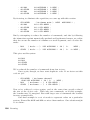
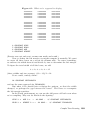
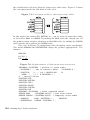
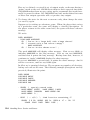
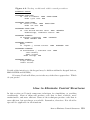
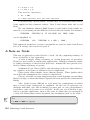
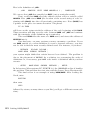
: DIGIT ( n )
5 /MOD OVER 4 = IF
IF FIVER THEN ONERS
special case
THEN ;
ELSE
(Notice that we OVERed the remainder so that we could compare it with 4
without consuming it.)
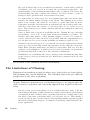
So it turns out we do have a doubly-nested IF THEN construct after all.
But it seems justified because the IF THEN is handling the special case. The
other is such a short phrase, “IF FIVER THEN,” it’s hardly worth making into
a separate definition. You could though. (But we won’t.)
Let’s focus on the code for the special case. To state its algorithm: “If
the digit is four, print a ONER and a FIVER. If the digit is nine, print a ONER
and a TENER.”
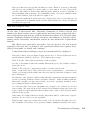
We can assume that the digit will be one or the other, or else we’d never
be executing this definition. The question is, how do we tell which one?
Again, we can use the quotient of division by five. If the quotient is zero,
the digit must have been four; otherwise it was nine. So we’ll play the same
trick and use the quotient as a boolean flag. We’ll write:
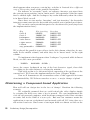
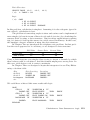
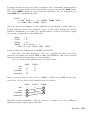
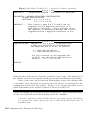
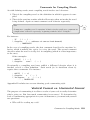
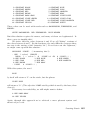
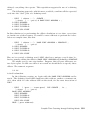
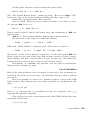
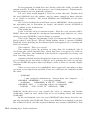
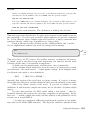
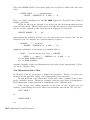
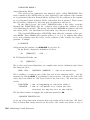
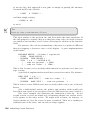
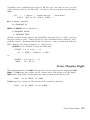
: ALMOST ( quotient )
IF ONER TENER ELSE
ONER FIVER
THEN ;
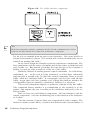
In retrospect, we notice that we’re printing a ONER either way. We can simplify
the definition to:
: ALMOST ( quotient )
ONER IF TENER ELSE FIVER THEN ;
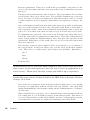
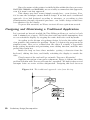
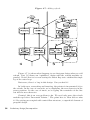
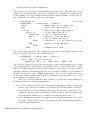
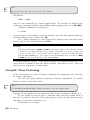
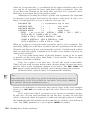
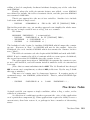
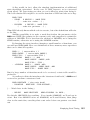
We’ve assumed that we have a quotient on the stack to use. Let’s go back to
our definition of DIGIT and make sure that we do, in fact:
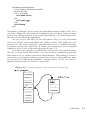
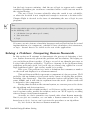
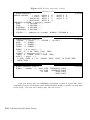
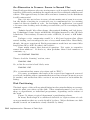
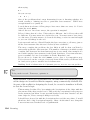
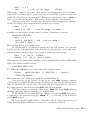
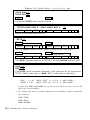
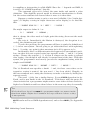
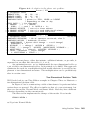
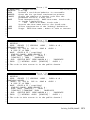
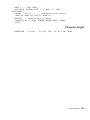
: DIGIT ( n )
5 /MOD OVER 4 = IF
IF FIVER THEN ONERS
128 Detailed Design/Problem Solving
ALMOST
THEN ;
ELSE