1
HCS METHOD (HAEMOGLOBIN COLOUR SCALE)
PRINCIPLE :
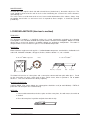
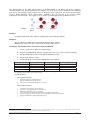
The intensity of the red colour of blood corresponds with the amount of haemoglobin. The degree of
anaemia can be visually assessed by matching the colour of a drop of blood on special filter paper
against a standardized colour chart. The colour chart is developed to represent the colour range of
normal to anaemic blood on filter paper : 14, 12, 10, 8, 6 and 4 g /100 ml.
EQUIPMENT AND SUPPLIES :
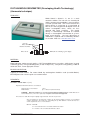
Blood collection equipment and supplies + Kit HCS (booklet of 6 shades of red, instructions for use,
dispenser of 200 special absorbent test strips in handy box). Use only the special test-strips that are
provided by Copack, since others may give inaccurate results. Keep these test-strips dry, clean and
protected from direct sunlight at any time. 70 % Alcohol.
BLOOD COLLECTION :
Capillary or venous blood. For venous blood, dry anticoagulant should be used (to avoid dilution).
EDTA di-potassium salt or heparin are recommended.
METHOD :
Find a suitable place: a room which is well-lit by daylight and/or artificial light. Avoid direct sunlight
and marked shade. Do not read the scale in your own shadow.
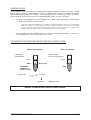
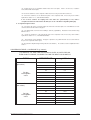
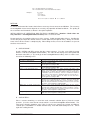
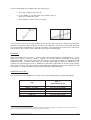
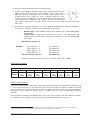
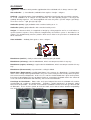
1. Place a drop of blood on one end of the test-strip so that it forms a spot, which is large enough
to spread beyond the area of an aperture in the scale (about 1 cm in diameter).
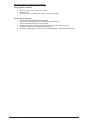
Correct amount of blood :
sufficient to spread beyond the
area of an aperture in the scale.
Too little blood : The area of an
aperture in the scale will not be
covered.
Too much blood : The spread will be
too thick and the blood will take too
long to dry.
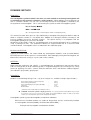
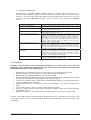
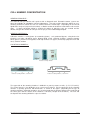
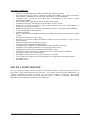
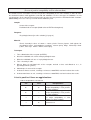
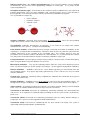
2. Wait about 30 seconds after applying the blood; then read immediately. Any delay in reading
the test will cause an error as the blood stain will change colour, becoming lighter and
unreliable. Starting from the lightest shade or darkest shade, slide the blood stain up and
down behind the apertures in the scale until you find the best colour match. When reading,
keep the test-strip close to the back of the scale to prevent any stray of light from entering.
•
•
•
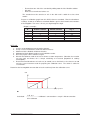
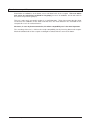
If the blood stain matches one of the shades of red exactly, record the haemoglobin
value.
If the colour lies between two shades on the scale, record the mid-value.
If there is any doubt between two shades, record the lower value.
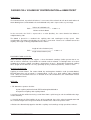
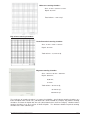
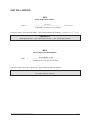
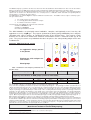
Example:
14 g/100 ml :Too light
12 g/100 ml: Correct.
10 g/100 ml: Too dark.
8 g/100 ml : Too dark.
6 g/100 ml : Too dark.
4 g/100 ml : Too dark.
090122-pg-tropical haematology and blood transfusion
9 / 77