1
-
Section 2 Feasibilitv Studv
Av~~ication
Review
- Pane 2-5
and at higher thermal efficiencies. In addition, overall system efficiencies
are higher because little or no energy is stored for overnight use, reducing overnight thermal losses from system piping, storage units, and
components. Because less storage volume (or none) is required, total
capital costs are minimized.
The A/E should select any low temperature loads that have been found
in this survey as the primary target for solar energy system applications,
as low temperature loads are most appropriate for solar heating, allowing
collectors to operate at higher efficiencies and reducing storage volume
required. Ventilation air preheating, for example, may be accomplished
efficiently with no storage.
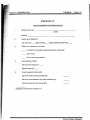
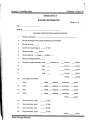
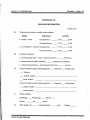
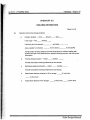
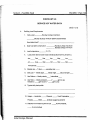
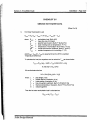
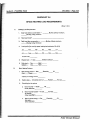
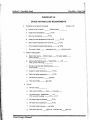
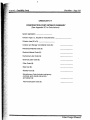
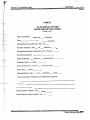
Checklist 2-5 should be completed as accurately as possible. If historical hot water consumption data are available, the equation in Worksheet 2-1 can be used to calculate total thermal load. If fuel use data is
available, the method in Worksheet 2-2 can be used to convert this data
into thermal load.
Hot Water Load
Because of the significant impact of the daily hot water use profile on
solar energy system designs, usage data in Checklist 2-5 as to time of
use and flow rates should be determined as carefully as possible.
Information about existing or to-be-installed service water heating '
systems, as requested in Checklist 2-5, is an important consideration for
integrating solar energy systems and should be carefully researched and
documented on checklists.
'
If a hot water recirculation system is used, heat losses from the system
must be included in the load calculation. The hot water recirculation load
can be calculated as shown in Checklist 2-5.
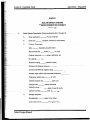
Space Heatlng Load
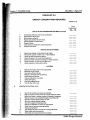
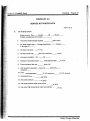
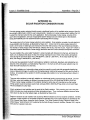
Checklist 2-6 should be completed as accurately as possible. Historical
space heating fuel data can be converted to thermal load using conversion factors and conversion efficiencies in Worksheet 2-2. If fuel data
are not available, heating load can be estimated using data in Checklist 2-6 and the ASHRAE Handbook, 1985, Fundamentals Volume, Load
Energy Calculations Section. Other methods of calculating heating
design loads may be found in the Heating Load Chapter of the Fundamentals Volume.
Space heating loads vary from month to month throughout the year and
depend on intensity and seasonal use of the building space. Daily and
monthly profiles of space heating loads should be prepared for intended
applications using information provided in Checklist 2-6. Detailed
information on existing or to-be-installed space heating systems is important input for solar energy system integration, and all available information should be recorded in Checklist 2-6.
1
Solar Design Manltal