1
cooled CCD cameras and electron-bombarded charge couple device (EB CCD)
cameras, silicon intensified target (SIT) tube cameras, intensified silicon intensified
target (ISIT) tube cameras, etc.
Thermal imagers are the imaging systems sensitive to mid-wave and long-wave
infrared radiation that generate images of the observed scenery using thermal radiation emitted by the scenery.
The origin of all three groups of electro-optical systems is connected with military applications. However, at present, these imaging systems are used in high numbers of military and civilian sectors.
According to a type of radiation used to create an image of the observed scenery,
electro-optical imaging systems can be divided into two distinct groups: the systems that create image using the radiation emitted by the observed targets
and the systems that create an image using the radiation reflected by the observed
targets. Imaging systems of spectral bands located in wavelengths of over 3 µm
belong to the first group; imaging systems of spectral bands located in visible or
NIR spectral range up to 1 µm belong to the second group.
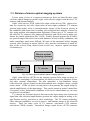
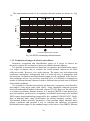
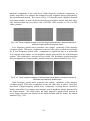
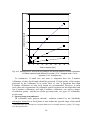
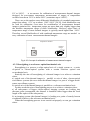
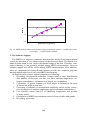
stars
Sun
Moon
NVD
TV camera
target
thermal
imagers
target
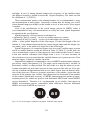
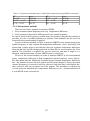
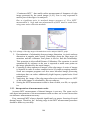
Fig. 1.6. Principle of work of night vision devices, TV cameras and thermal imaging systems.
Night vision devices and TV cameras are sensitive to a visible range and near
infrared radiation up to about 1 µm because the Sun, the Moon, and stars emit
mostly in visible and near infrared spectral bands. Thermal imaging systems use
medium and far infrared range from about 3 µm to about 15 µm because targets
of typical temperatures on the Earth emit mostly in this spectral band. Because
spectral sensitivity band of I2Ss and TV cameras at least partially overlaps the spec7