1
(DACS) 2 . A single entry in the bibliographic system may be output as a retention
schedule, a Machine Readable Cataloging (MARC 3 )-encoded catalog record, or an
Encoded Archival Description (EAD 4 )-encoded finding aid. Multiple entries may be
associated together as collections. A separate process within AXAEM associates record
creators with all of their Encoded Archival Context—Corporate Bodies, Persons, and
Families (EAC-CPF 5 ) details. Supporting processes track microfilm, register records
officers for training sessions, plus offer a web-based interface for public interaction to
search for personal names or dates contained in record indexes and display digital
collections of those records; harvest records in AXAEM via Open Archives Initiative
Protocol for Metadata Harvesting (OAI-PMH 6 ); view retention schedules, finding aids,
microfilm reports, and agency history information through an agency name search;
submit new retention schedules or edit existing ones; etc. Retention schedule data is
shared with a third-party box inventory system, used for space management in the Utah
state records center, and disposition dates are automatically calculated. Prior to
GeoMAPP, AXAEM had no specific features to manage electronic records other than
through retention schedules tied to media stored in the Archives. Those capabilities are
now in place and described further below.
These processes are both well-established and constantly changing. Development tends to
follow an organic path, depending on Utah’s needs at the moment, as well as system
requirements that spring from ever-changing professional standards and best practices.
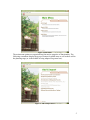
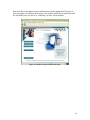
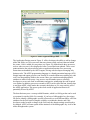
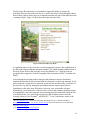
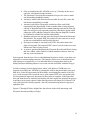
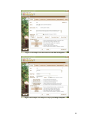
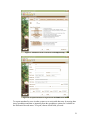
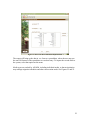
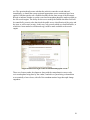
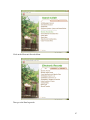
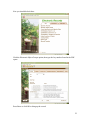
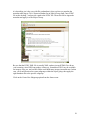
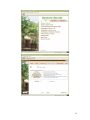
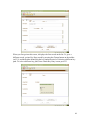
This is how the AXAEM menu system appears to users currently:
2
See http://www.archivists.org/governance/standards/dacs.asp.
See http://www.loc.gov/marc/.
4
See http://www.loc.gov/ead/.
5
See http://eac.staatsbibliothek-berlin.de/.
6
See http://www.openarchives.org/pmh/.
3
4