1
SAMPLE
HANDLING
SETTING UP
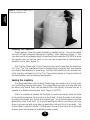
Thin walled micro test tubes have many advantages over capillary tubes.
First, handling of the sample tube is much simpler; reactions can be made up in
the micro test tube, no heat sealing is required, concern about breaking the
tubes is eliminated. Second, there is no need to adjust buffers or protocols. The
buffers that manufacturers provide with their thermostable polymerases work in
these tubes without modification. Published protocols developed in heat block
instruments seem to transfer more readily to the RapidCycler when micro test
tubes are used.
PROGRAMMING
TROUBLE
SHOOTING
The thermal properties of thin walled microcentrifuge tubes are much better
than their thick walled ancestors, but they are still no match for a capillary tube.
Using thin walled microcentrifuge tubes requires a sacrifice in speed and in sample temperature uniformity. A 10 µl reaction that would take 15 minutes in a capillary tube, takes 35 minutes in a thin walled microcentrifuge tube, a 50 µl reaction that would take 20 minutes in a capillary, takes 50 minutes in a microcentrifuge tube.
SERVICE AND
MAINTENANCE
Because the RapidCycler was developed for capillary tubes the temperature
values that you program into the machine, and the temperatures displayed during cycling, reflect what the temperature would be in a 10 µl capillary. When
using microcentrifuge tubes you must modify the program parameters to compensate for the thermal differences between capillaries and microcentrifuge
tubes.
WARRANTY
AND UPGRADES
2. THIN WALLED MICROCENTRIFUGE TUBE
CYCLING PROTOCOLS FOR THE RAPIDCYCLER
ARTICLES
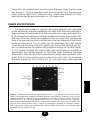
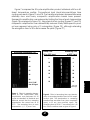
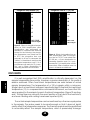
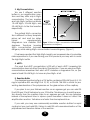
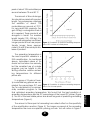
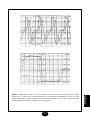
There are two possible approaches when using microcentrifuge tubes. You
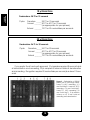
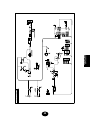
can set the machine to the temperature you want, and wait for the microcentrifuge tube to get to that temperature (Figure 2B. This is what the slower heat
block cyclers do). This method is slow, but it assures you that no part of your sample is ever over the target temperature. A faster approach is to overheat and
under heat the air. This brings the sample to temperature more quickly (Figure
2A. The faster heat block instruments do this), but some parts of your sample may
be slightly above or below the target temperatures.
RAPIDCYCLIST
NEWSLETTER
INDEX
10