1
CHAPTER 20
Teaching Records
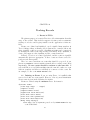
1. Events in TPS3
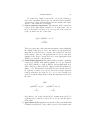
The primary purpose of events in Tps3 is to collect information about the
usage of the system. That includes support of features such as automatic
grading of exercises and keeping statistics on the application of inference
rules.
Events, once defined and initialized, can be signalled from anywhere in
Tps3. Settings of flags, ordinarily collected into modes, control if, when, and
where signalled events are recorded. Siganlling of events can be suppressed
by changing the values of the flags in subject EVENTS. Notice that this, of
course, only suppresses the signalling, not the events themselves!
In Etps , a basic set of events is predefined, and the events are signalled
automatically whenever appropriate. If these events are then recorded depends on your Etps profile.
There are some restrictions on events that should be respected, if you
plan to use REPORT to extract statistics from the files recording events. Most
importantly: No two events should be written to the same file. If
you would like to record different things into the same file, make one event
with one template and allow several kinds of occurrences of the event. For
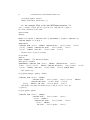
an example, see the event PROOF-ACTION below.
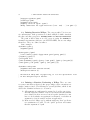
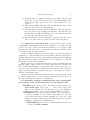
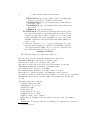
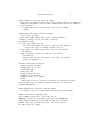
1.1. Defining an Event. If you are using Etps , it is unlikely that
you need to define an event yourself. However, a lot of general information
about events is given in the following description.
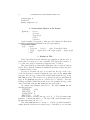
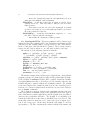
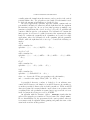
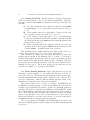
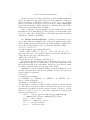
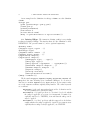
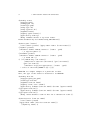
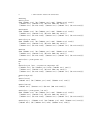
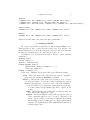
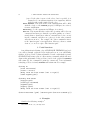
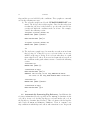
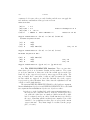
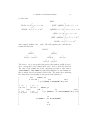
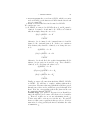
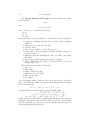
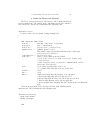
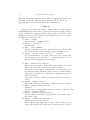
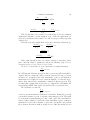
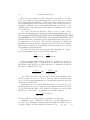
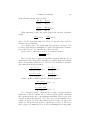
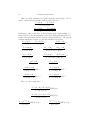
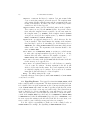
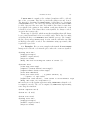
Events are defined using the DEFEVENT macro. Its format is
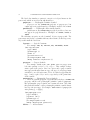
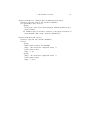
(defevent <name>
(event-args <arg1> ... <argn>)
(template <list>)
(template-names <list>)
(signal-hook <hook-function>)
(write-when <write-when>)
(write-file <file-parameter>)
(write-hook <hook-function>)
(mhelp <help-string>))
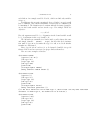
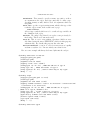
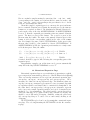
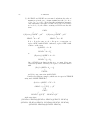
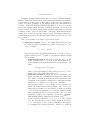
event-args: list of arguments passed on by SIGNAL-EVENT for any
event of this kind.
235