1
one another are extremely important; an appropriate user interface helps to address users’ cognitive
disabilities. A good comprehension by the users of the environment and the required tasks for the
procedures of eating will only be achieved by an appropriate user interface.
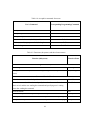
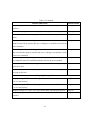
The residents in the regular care unit mostly suffered from upper-limb dysfunctions, which made it
difficult for them to eat by themselves. In addition, having no control of their head and neck, severe
head tremor, inability to open their mouths to be fed, and severe swallowing or chewing problems,
were typical physical difficulties that made 40% of the population dependent on caregivers. Among
the rest of the 60%, more than 40% had problems such as hand tremor, lack of strength in holding the
utensil, and severe joint pain in arm, wrist, or finger. They had difficulties in manipulating the spoon
or fork and directing it toward the mouth. The lipped plates with dividers helped about 11.7% of the
elderly in better scooping. For each user, 3- 4 different kinds of food and dessert and 2- 4 cups were
considered. Many of the foods (about 31.7%) were pureed for those with chewing or digestion
problems and many of them were cut into pieces for those with lack of strength in their hands. Some
were using gel foods because of chewing and swallowing difficulties.
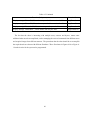
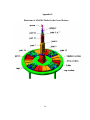
According to the observations and the caregivers’ opinion at the present time, having a feeding
device would be beneficial in the environment where many elderly people dine together at standard
four-seat tables. The meal time was very challenging for both residents and caregivers since the time
allocated for eating and the numbers of caregivers were limited. Indeed, one nurse could respond to a
maximum of two diners at the same time and could only manage to respond to the needs of all diners
with the assistance of the limited number of staff members available. The target users in the proposed
design have been considered as either female or male adults including elderly people (no children at
the present time) in senior houses, nursing homes or hospitals (where they receive special care) who
have weak muscles or joints in their hands or arms. They may suffer from muscle stiffness and cannot
grab or handle a spoon or fork easily or have significant tremor in their hands while eating. The users
should have control of neck and head muscles and; be cognitively aware of the environment; be able
to see and read labels, hear sounds, word, tones and characters and; be able to talk in such a way that
the words and characters are recognizable by others.
Form the safety point of view, the users should have sufficient control of their neck and head,
enough to keep it in an upright position or at an angle that would be safe in the nurse’s opinion. This
reduces the potential of choking while swallowing. The end effector does not reach the user’s mouth,
106