1
6 Vacuum Bagging Equipment
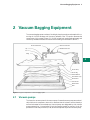
Non-positive displacement vacuum pumps have high CFM ratings, but generally at vacuum pressure levels too low for most vacuum bagging. A vacuum cleaner is an example of a
non-positive displacement or turbine type pump.
Air operated vacuum generators are simple, low cost venturi devices that generate a vacuum using air pressure supplied by standard air compressors. Their portability, relatively
low cost and the accessibility of compressors in many shops and homes make them ideal for
many smaller vacuum bagging projects. Single stage generators have a high vacuum rating,
but move a low volume of air, limiting the size of the vacuum bagging operation. The
WESTSYSTEM 885-1 Venturi Vacuum Generator develops over 20" Hg (10 psi) at 1 CFM.
It is designed to run off conventional shop air compressors that deliver at least 60 psi at 2
CFM. Larger two-stage pumps are comparable to mechanical pumps for most vacuum bagging operations, but require a proportionately large compressor to run them.
Vacuum pumps have been manufactured for a wide variety of industrial applications. Used
pumps of various sizes and ratings may be found at a reasonable price. For small projects,
some builders have successfully used old milking machine pumps and even vacuum cleaner
pumps. If you find a used pump that you think will work for vacuum bagging, the vacuum
and displacement ratings will give you an idea of the range of vacuum bagging you can do
with it. If you are unsure about the pump, you can go through a dry run, following the procedures in this manual, to test the limitations of the pump. Keep in mind that the pump
should be able to hold a vacuum continuously until the adhesive reaches an effective cure,
which may take as long as 8 to 12 hours depending on the hardener used and ambient temperature. See Section 5.3 for cure time information. See Appendix C for a list of vacuum
bagging equipment and material suppliers.
2.2
Vacuum bagging materials
A variety of other materials are needed to complete the vacuum system and assist in the laminating process. The materials referred to in this manual are available from West System or
readily accessible through hardware or automotive supply stores. Alternate materials that
function the same as those listed may be used.
2.2.1 Release fabric
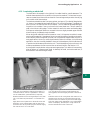
Release fabric is a smooth woven fabric that will not bond to epoxy. It is used to separate
the breather and the laminate. Excess epoxy can wick through the release fabric and be
peeled off the laminate after the laminate cures. It will leave a smooth textured surface that,
in most cases, can be bonded to without additional preparation.
WEST SYSTEM 879 Release Fabric is a strong, finely woven polyester fabric, specially
treated so that epoxy will not bond to it. It is not recommended for post cure temperatures
over 120°F (49°C). A variety of release materials are produced specifically for vacuum bagging operations. They may be known as release fabric, peel ply or release film. Many are designed for use at higher temperatures or to control the amount of resin that can pass
through them.
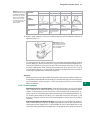
2.2.2 Perforated film
A perforated plastic film may be used in conjunction with the release fabric. This film helps
hold the resin in the laminate when high vacuum pressure is used with slow curing resin systems or thin laminates. Perforated films are available in a variety of hole sizes and patterns
depending on the clamping pressure, and the resin’s open time and viscosity.
2.2.3 Breather material
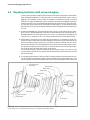
A breather (or bleeder) cloth allows air from all parts of the envelope to be drawn to a port
or manifold by providing a slight air space between the bag and the laminate.