1
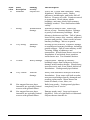
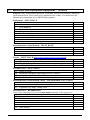
MMI
value
6
Short
description
Moderate
Shaking
severity
Objects fall
Full description
7
Strong
Nonstructural
damage
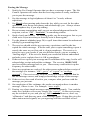
Difficult to stand or walk. Noticed by
drivers of cars. Furniture broken. Damage
to poorly built masonry buildings. Weak
chimneys broken at roof line. Fall of plaster,
loose bricks, stones, tiles, cornices, unbraced
parapets and porches. Some cracks in better
masonry buildings. Waves on ponds.
8
Very strong
Moderate
damage
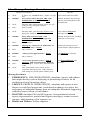
Steering of cars affected. Extensive damage
to unreinforced masonry buildings, including
partial collapse. Fall of some masonry walls.
Twisting, falling of chimneys and
monuments. Wood-frame houses moved on
foundations if not bolted; loose partition
walls thrown out. Tree branches broken.
9
Violent
Heavy damage
General panic. Damage to masonry
buildings ranges from collapse to serious
damage unless modern design. Wood-frame
structures rack, and, if not bolted, shifted off
foundations. Underground pipes broken.
10
Very violent
Extreme
damage
Poorly built structures destroyed with their
foundations. Even some well-built wooden
structures and bridges heavily damaged and
needing replacement. Water thrown on
banks of canals, rivers, lakes, etc.
11
Not mapped because these
intensities are typically limited
to areas with ground failure.
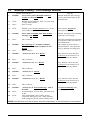
Rails bent greatly. Underground pipelines
completely out of service.
12
Not mapped because these
intensities are typically limited
to areas with ground failure.
Damage nearly total. Large rock masses
displaced. Lines of sight and level distorted.
Objects thrown into the air.
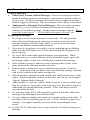
Felt by all. People walk unsteadily. Many
frightened. Windows crack. Dishes,
glassware, knickknacks, and books fall off
shelves. Pictures off walls. Furniture moved
or overturned. Weak plaster, adobe
buildings, and some poorly built masonry
buildings cracked. Trees and bushes shake
visibly.
29/32