1
X/Open System Verification Suite
VSX User and Installation Guide
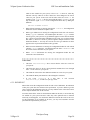
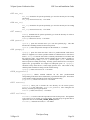
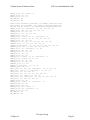
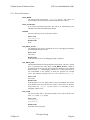
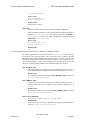
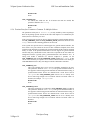
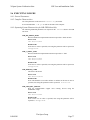
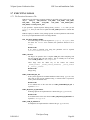
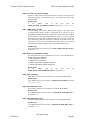
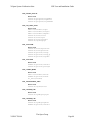
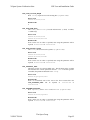
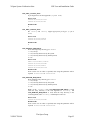
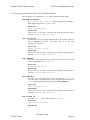
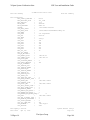
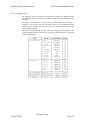
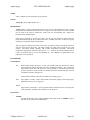
PRV_CHOWN
to perform privileged chown() and chmod() calls
PRV_SETGRPS
to set supplementary group IDs
PRV_NEWROOT
to set the root directory of the process
PRV_KILL
to perform privileged kill() calls
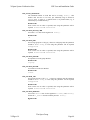
PRV_DEVICE
to access device files
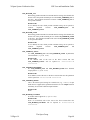
PRV_ASSIGN
to assign privileges to an executable file
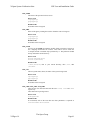
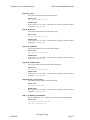
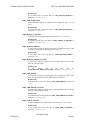
PRV_IPC
to allow unrestricted IPC access
PRV_NICE
to perform privileged nice() calls
PRV_ULIMIT
to perform privileged setlimit() or ulimit()
calls
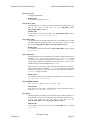
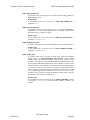
PRV_LIMITS
to perform privileged setrlimit() calls
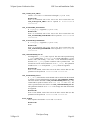
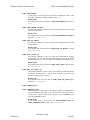
PRV_MEMLOCK
to obtain memory locking privileges
PRV_SETTIME
to set (real-time) clocks
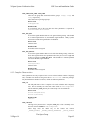
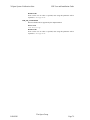
PRV_SETRTSCHED
to set (real-time) process scheduling parameters
PRV_GETRTSCHED
to get privileged
parameters
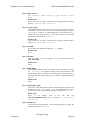
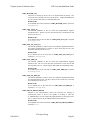
PRV_SETTHRSCHED
to set threads scheduling parameters
PRV_GETTHRSCHED
to get privileged threads scheduling parameters
(real-time)
process
scheduling
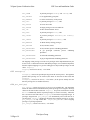
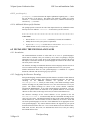
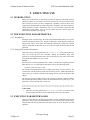
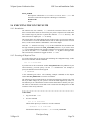
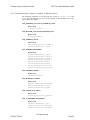
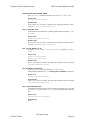
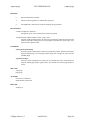
The mapping of this privilege set to the set of privileges on the implementation may not
be one-to-one. If distinction between individual privileges is not considered important,
then the simplest mapping is to give the calling process all possible privileges on each
call to setprv().
setprv() returns 0 for success, −1 for failure.
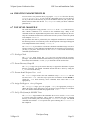
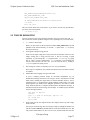
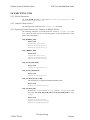
6.8.3 unsetprv()
unsetprv() removes the specified privilege from the current process. The argument
specifies what privilege is to be removed; the values are the same as those used with
setprv().
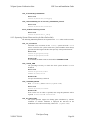
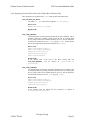
unsetprv() returns 0 for success, −1 for failure. (If the process already does not
have the privilege, this is considered success).
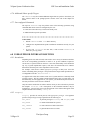
6.8.4 prv_assign()
prv_assign() assigns appropriate privileges to an executable file. The arguments
are the file name and a zero-terminated array of the privileges to be assigned. Privilege
values are the same as those used with setprv(). If a process with effective user ID
of root automatically has the requested privilege, no action is necessary. When the
file is executed it will make calls to setprv() to activate the assigned privileges. If
privileges assigned with prv_assign() are automatically active when the file is
executed, then setprv() should just check that the requested privilege is in effect.
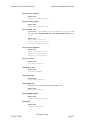
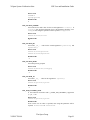
prv_assign() is only called after setprv(PRV_ASSIGN) since assigning
privilege is a privileged operation.
prv_assign() returns 0 for success, −1 for failure.
The Open Group
VSXgen 1.4
Page 33