1
AQIAGDLS.WP5
JUNE, 1996
Rev #2
intermediate terrain receptors, ISCST calculates concentrations
from both simple terrain algorithm and the complex terrain
algorithm and selects the higher of the two concentrations for
that hour and that source. If the terrain height is equal or
exceeds the plume height, then that terrain is defined as COMPLEX
terrain for that hour and that source. For a complex terrain
receptor, ISCST calculates concentrations based on the complex
terrain screening algorithm only.
B.
Point Sources in Simple, Intermediate, or Complex Terrain
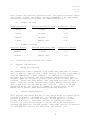
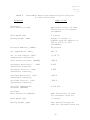
This section discusses the values to be specified for each
control option used by ISCST (the specifications are for ISCST
version 93250, the most up-to-date version at the time these
guidelines were published.
1.
C.
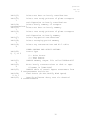
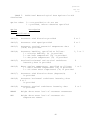
ISCST Control Option Specifications:
Keyword
Parameter
MODELOPT
CONC
RURAL or URBAN
GRDRIS
NOBID
NOCALM
AVERTIME
POLLUTID
HALFLIFE
DECAYCOEF
TERRHGTS
FLAGPOLE
EVENTFIL
SAVEFILE
INITFILE
MULTYEAR
ERRORFIL
1 3 8 24 PERIOD
SO2, NOX, CO, PM10, TSP or OTHER
(Do not use)
(Do not use)
FLAT or ELEV
(Do not use)
(Do note use)
(Do not use)
(Do not use)
(Do not use)
(optional)
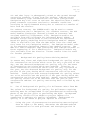
Building Downwash Considerations
1.
Downwash Assessment
The entrainment of a plume in the wake of a building can result
in the downwash of the plume to the ground. This effect can
increase the maximum groundlevel concentration downwind of the
source. Because of this, each source must be evaluated to
10