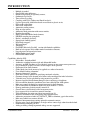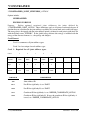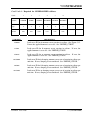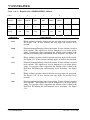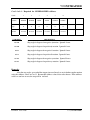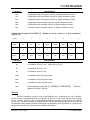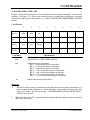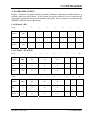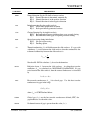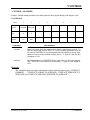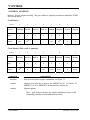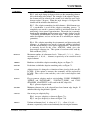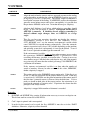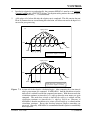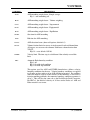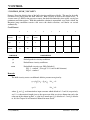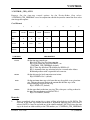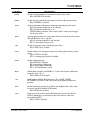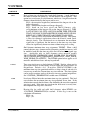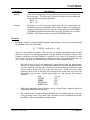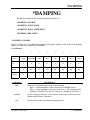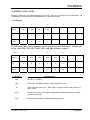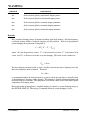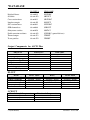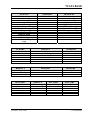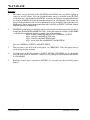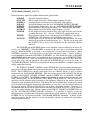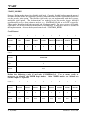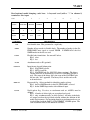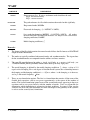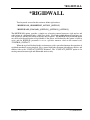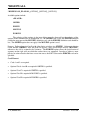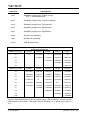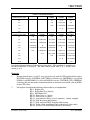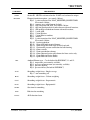
1
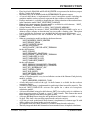
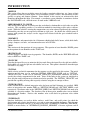
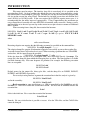
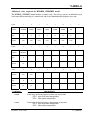
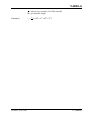
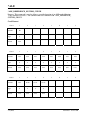
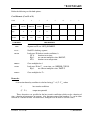
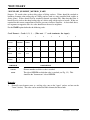
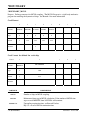
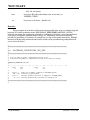
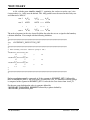
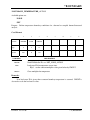
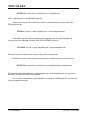
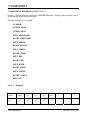
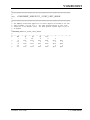
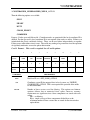
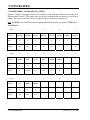
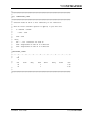
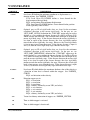
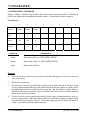
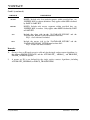
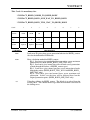
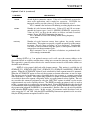
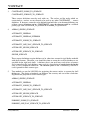
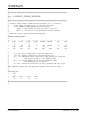
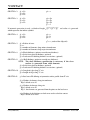
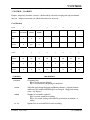
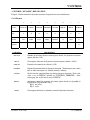
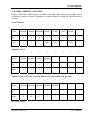
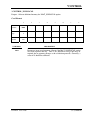
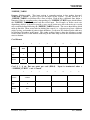
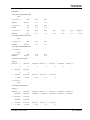
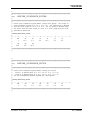
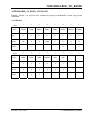
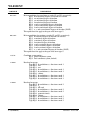
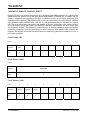
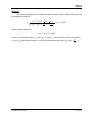
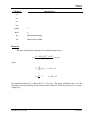
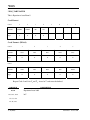
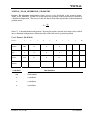
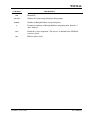
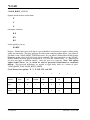
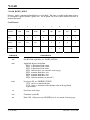
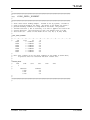
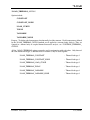
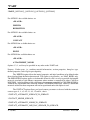
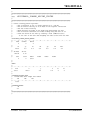
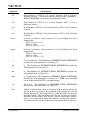
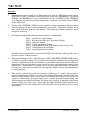
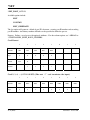
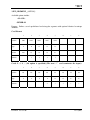
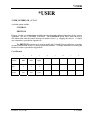
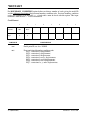
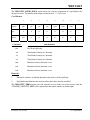
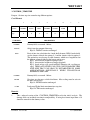
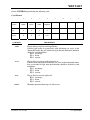
*CONSTRAINED
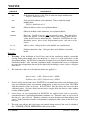
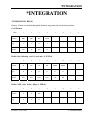
*SET_NODE_LIST
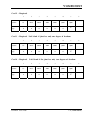
$
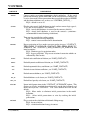
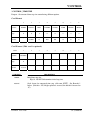
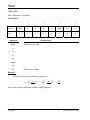
sid
6
$
nid1
150
$
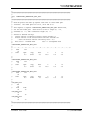
$$$ request output for joint force data
$
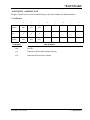
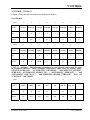
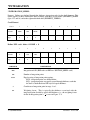
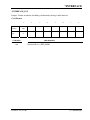
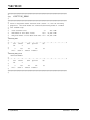
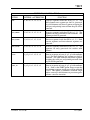
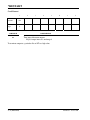
*DATABASE_JNTFORC
$ dt/cycl
lcdt
0.0001
$
$$$$$$$$$$$$$$$$$$$$$$$$$$$$$$$$$$$$$$$$$$$$$$$$$$$$$$$$$$$$$$$$$$$$$$$$$$$$$$$$
$
$
$$$$$$$$$$$$$$$$$$$$$$$$$$$$$$$$$$$$$$$$$$$$$$$$$$$$$$$$$$$$$$$$$$$$$$$$$$$$$$$$
$
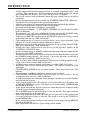
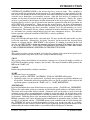
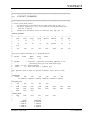
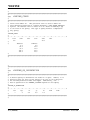
$$$$ *CONSTRAINED_JOINT_REVOLUTE
$
$$$$$$$$$$$$$$$$$$$$$$$$$$$$$$$$$$$$$$$$$$$$$$$$$$$$$$$$$$$$$$$$$$$$$$$$$$$$$$$$
$
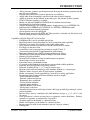
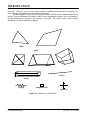
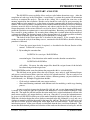
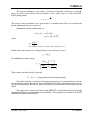
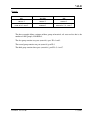
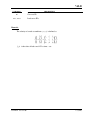
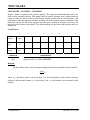
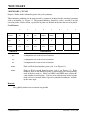
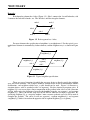
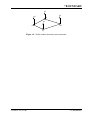
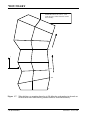
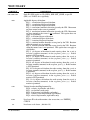
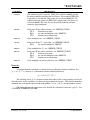
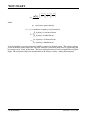
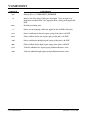
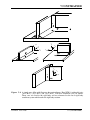
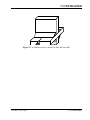
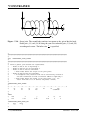
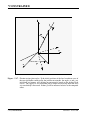
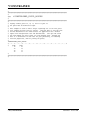
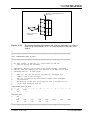
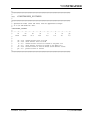
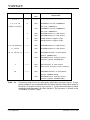
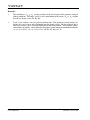
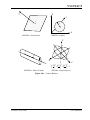
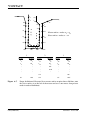
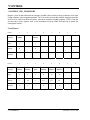
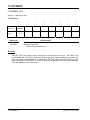
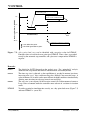
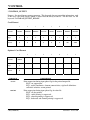
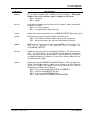
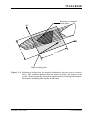
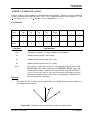
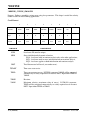
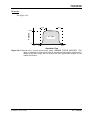
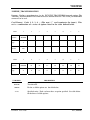
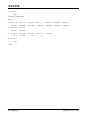
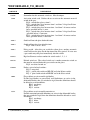
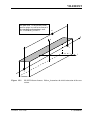
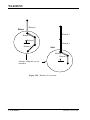
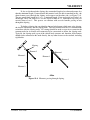
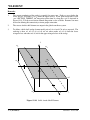
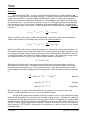
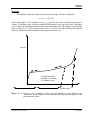
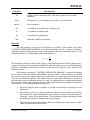
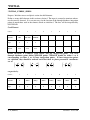
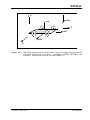
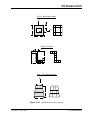
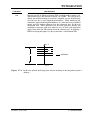
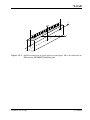
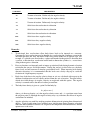
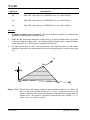
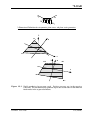
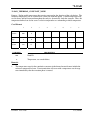
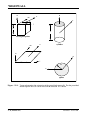
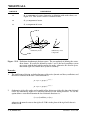
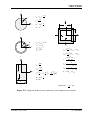
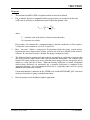
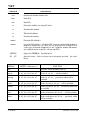
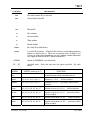
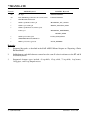
$ Create a revolute joint between two rigid bodies. The rigid bodies must
$ share a common edge to define the joint along. This edge, however, must
$ not have the nodes merged together. Rigid bodies A and B will rotate
$ relative to each other along the axis defined by the common edge.
$
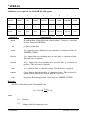
$ Nodes 1 and 2 are on rigid body A and coincide with nodes 9 and 10
$ on rigid body B, respectively. (This defines the axis of rotation.)
$
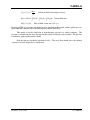
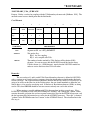
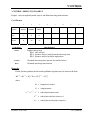
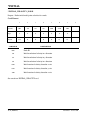
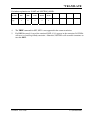
$ The relative penalty stiffness on the revolute joint is to be 1.0,
$ the joint is well lubricated, thus no damping at the joint is supplied.
$
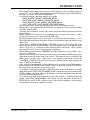
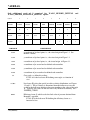
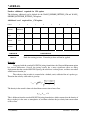
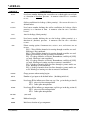
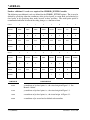
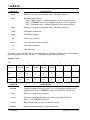
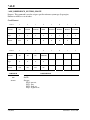
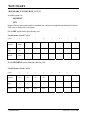
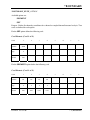
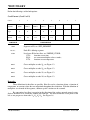
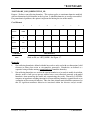
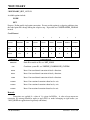
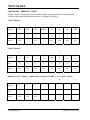
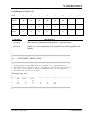
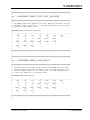
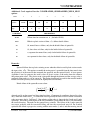
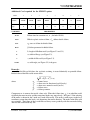
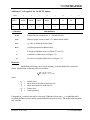
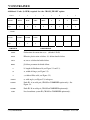
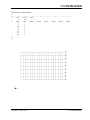
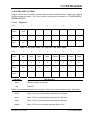
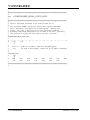
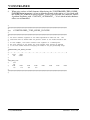
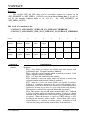
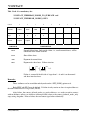
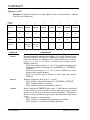
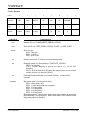
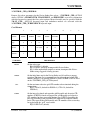
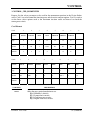
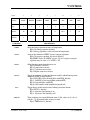
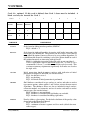
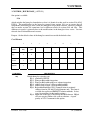
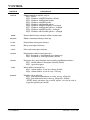
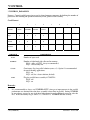
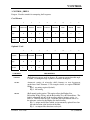
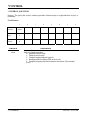
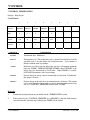
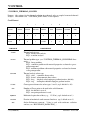
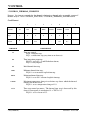
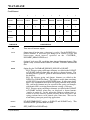
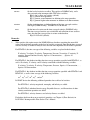
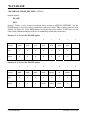
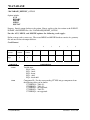
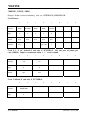
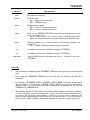
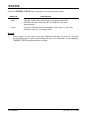
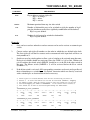
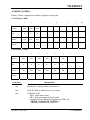
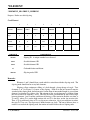
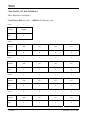
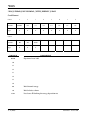
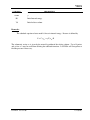
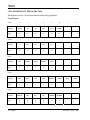
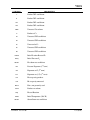
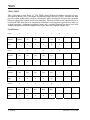
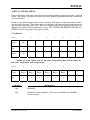
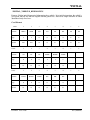
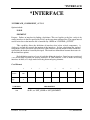
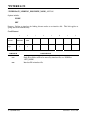
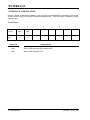
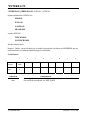
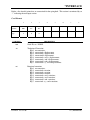
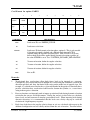
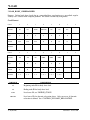
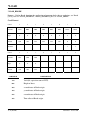
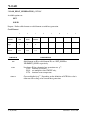
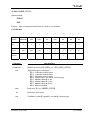
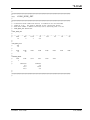
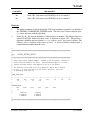
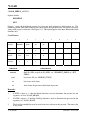
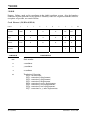
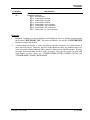
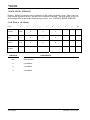
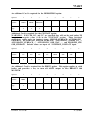
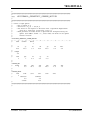
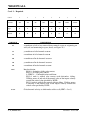
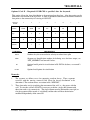
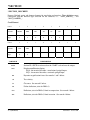
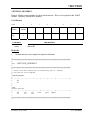
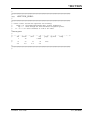
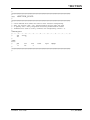
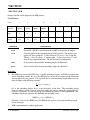
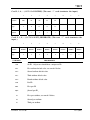
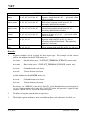
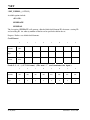
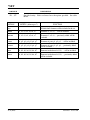
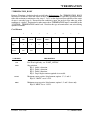
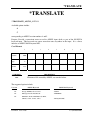
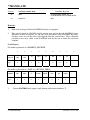
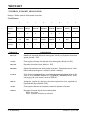
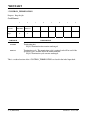
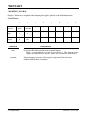
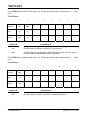
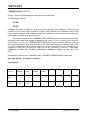
*CONSTRAINED_JOINT_REVOLUTE
$
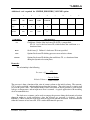
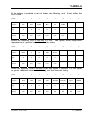
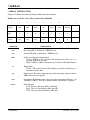
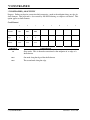
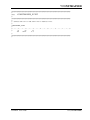
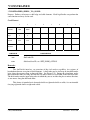
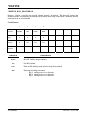
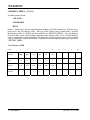
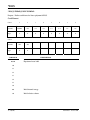
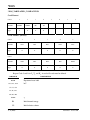
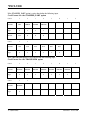
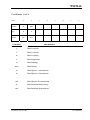
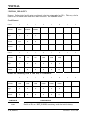
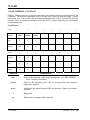
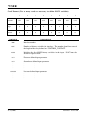
$...>....1....>....2....>....3....>....4....>....5....>....6....>....7....>....8
$
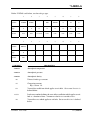
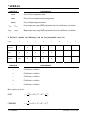
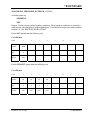
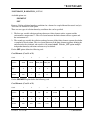
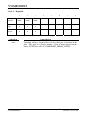
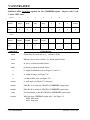
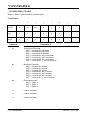
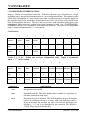
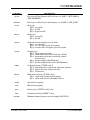
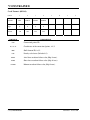
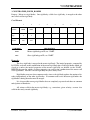
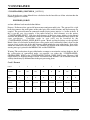
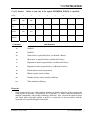
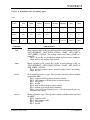
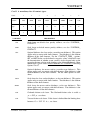
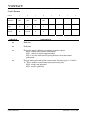
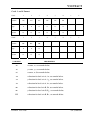
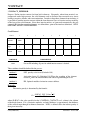
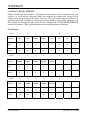
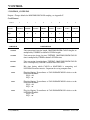
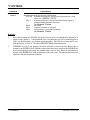
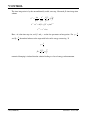
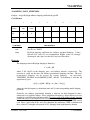
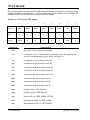
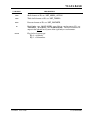
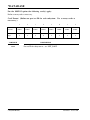
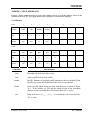
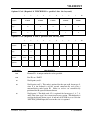
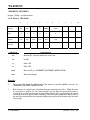
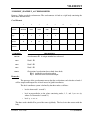
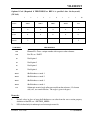
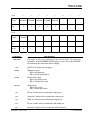
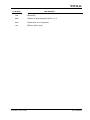
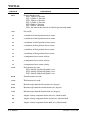
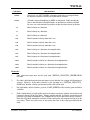
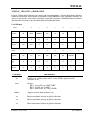
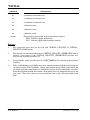
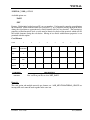
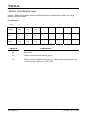
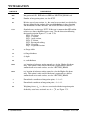
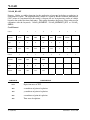
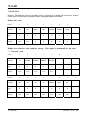
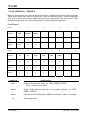
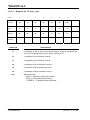
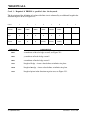
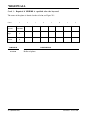
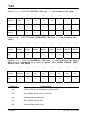
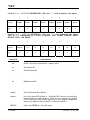
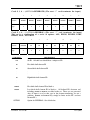
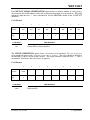
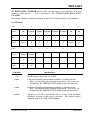
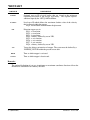
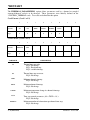
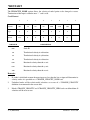
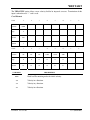
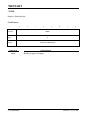
n1
n2
n3
n4
n5
n6
rps
damp
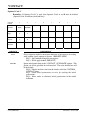
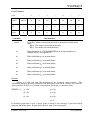
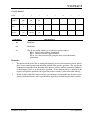
1
9
2
10
1.0
$
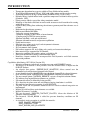
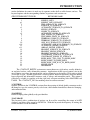
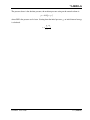
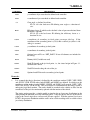
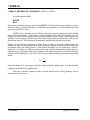
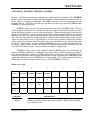
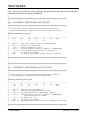
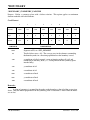
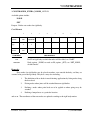
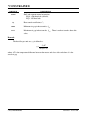
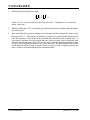
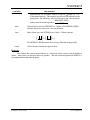
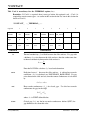
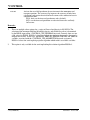
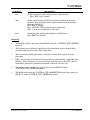
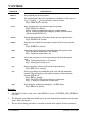
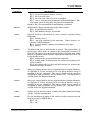
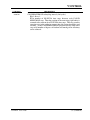
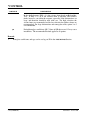
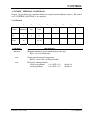
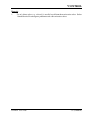
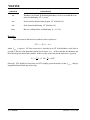
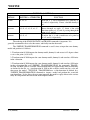
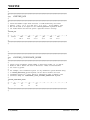
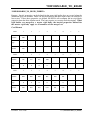
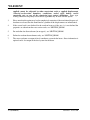
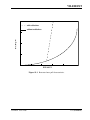
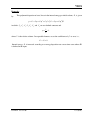
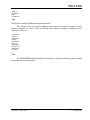
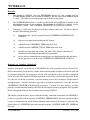
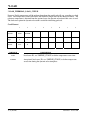
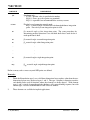
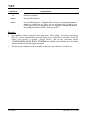
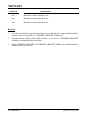
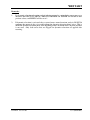
$ Note: A joint stiffness is not mandatory for this joint to work.
$
However, to see how a joint stiffness can be defined for this
$
particular joint, see the corresponding example listed in:
$
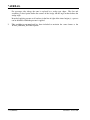
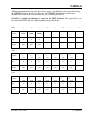
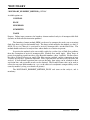
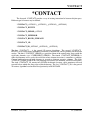
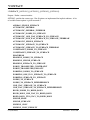
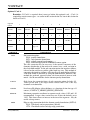
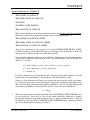
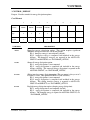
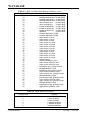
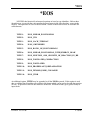
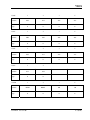
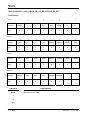
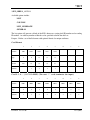
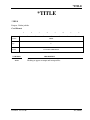
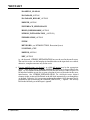
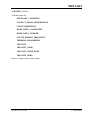
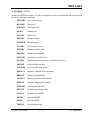
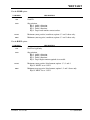
*CONSTRAINED_JOINT_STIFFNESS_GENERALIZED
$
$$$$$$$$$$$$$$$$$$$$$$$$$$$$$$$$$$$$$$$$$$$$$$$$$$$$$$$$$$$$$$$$$$$$$$$$$$$$$$$$
$
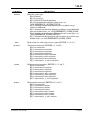
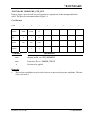
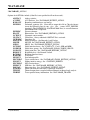
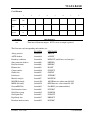
LS-DYNA Version 960
5.33 (CONSTRAINED)