1
SETUP
SECURING YOUR KITE / DEFLATING THE LEADING EDGE
TIPS FOR SECURING YOUR KITE
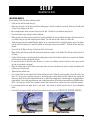
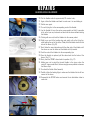
• Never leave an inflated kite unattended on the beach for a long period of
time. Winds may shift or change and the kite may become unsecured and
fly off.
• Always secure your kite with sand, using more weight than you think you
need. An unmanned kite is dangerous.
• Never secure your kite with rocks or sharp objects (including your board);
they will compromise the life of the kite. If you do not have a sandy beach
launch, consider sand bags.
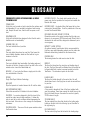
• Do not leave an inflated kite (secured or not), directly exposed to the wind
for any length of time. This allows the trailing edge to flutter excessively,
which can damage the kite or tangle the control lines. If you must leave
the kite exposed to the wind on the beach, place sufficient amounts of
sand between each strut and near the trailing edge to minimize or stop
the fluttering. Also, if possible, leave the kite in a shaded area.
• Keep in mind other beach users and make sure your kite and lines will not
be a danger to others.
• Wind your lines onto the bar when you are not kiting. This will keep the
beach free of lines and will prevent other beach users from becoming
tangled in your equipment.
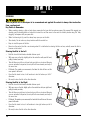
DEFLATING THE KITE
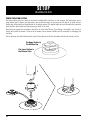
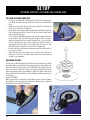
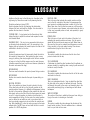
The kite may be deflated completely or partially for your convenience. To deflate
the Leading Edge, you must unscrew the release valve and not the inflation cap.
The release valve is the lower portion of the AIRLOCK. After deflating, clear the
valve of any sand or debris; then seal the valve before stowing kite to prevent
debris from getting inside internal bladder. To deflate the struts, unclip the air
clips at each strut. This will allow air to flow through the leading edge and out
of the airlock.
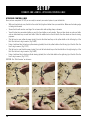
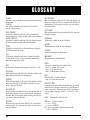
Important: CAUTION
When closing valve on deflated kite, hold bladder in place to prevent twisting
the bladder. Do not over tighten valve when kite is deflated. You may tighten it
further when kite is partially inflated again.
12