1
Operation Manual – Configuration Examples
U-SYS SoftX3000 SoftSwitch System
Chapter 5 Specialized Configurations
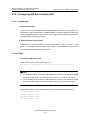
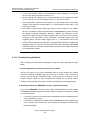
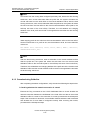
5.2 Configuring Charging Data
5.2.1 Centralized Charging Data
I. Introduction
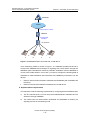
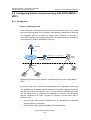
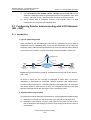
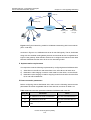
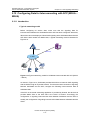
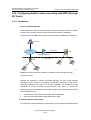
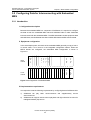
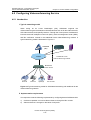
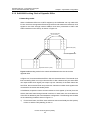
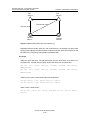
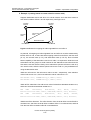
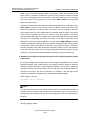
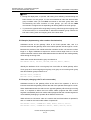
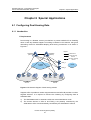
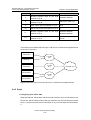
Centralized charging refers to the case that a higher-level office (transit office or toll
office) charges all incoming trunk calls of the offices (end offices) in the local network. It
applies only the "detailed ticket" charging method because it is impossible for the
centralized charging office to obtain the meters of all covered subscribers.
In SoftX3000, centralized charging is based on trunk charging. It carries out charging
analysis by using charging source codes of incoming trunks or those of calling parties'
prefixes for distinctive charging.
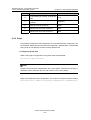
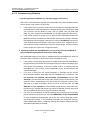
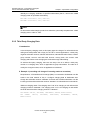
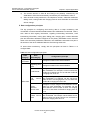
Centralized charging is different from incoming trunk charging. In the case of the former,
the SoftX3000 generates two bills, one trunk bill and one ordinary bill, while in the case
of the latter, it generates only one trunk bill. For centralized charging, when the
incoming trunk originates a call, the local office will request the caller number from the
opposite office through the incoming trunk. Otherwise, the corresponding bill will have
no caller number and cannot be sorted.
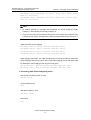
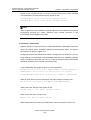
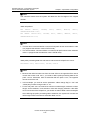
II. Example 1 (the local office is an end office)
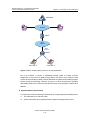
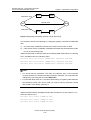
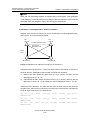
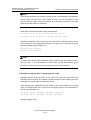
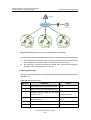
Requirements: The toll office will charge all toll calls of the local office and the local
office itself will not charge them.
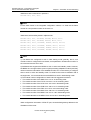
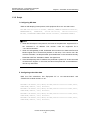
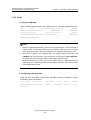
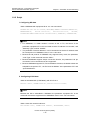
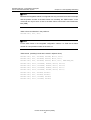
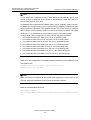
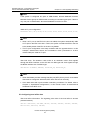
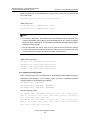
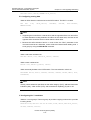
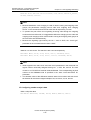
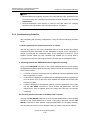
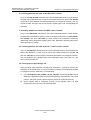
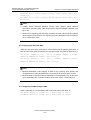
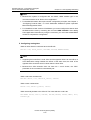
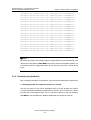
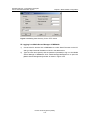
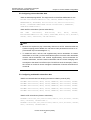
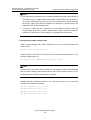
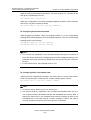
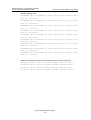
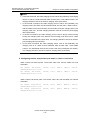
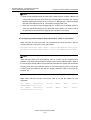
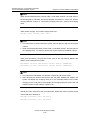
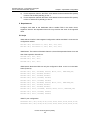
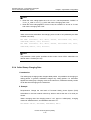
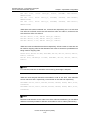
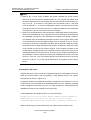
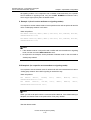
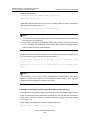
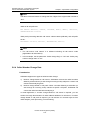
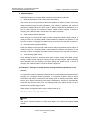
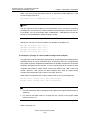
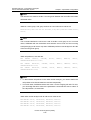
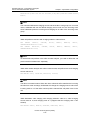
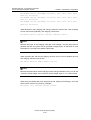
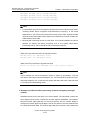
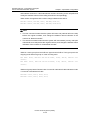
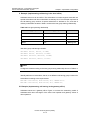
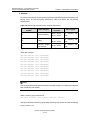
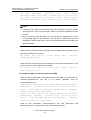
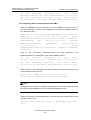
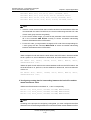
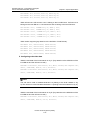
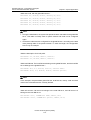
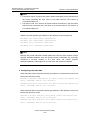
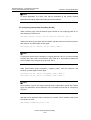
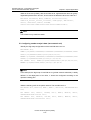
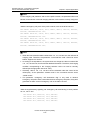
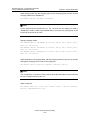
//Add a charging case "100".
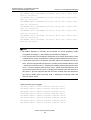
ADD CHGANA: CHA=100, PAY=NOCHG;
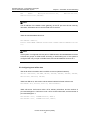
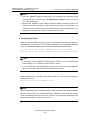
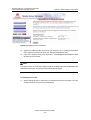
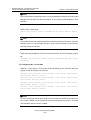
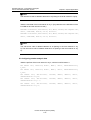
Note:
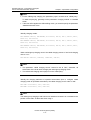
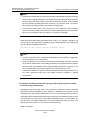
If toll call prefixes have no charging case, SoftX3000 might generate a great many
charging alarms. To avoid such case, it is recommended to add a charge case for the
toll call prefixes and set the parameter “payer” to "no charge" although the local office
does not charge toll calls.
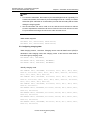
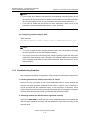
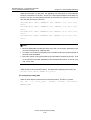
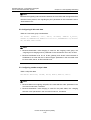
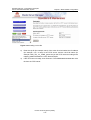
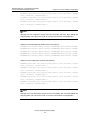
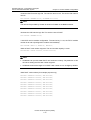
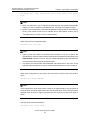
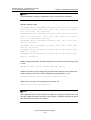
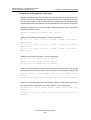
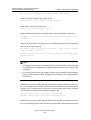
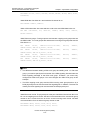
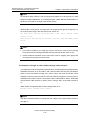
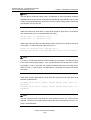
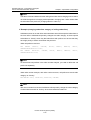
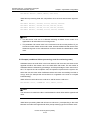
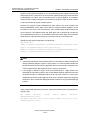
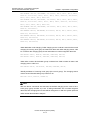
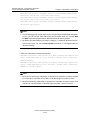
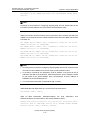
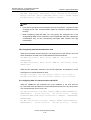
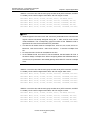
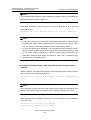
//Modify charging modes.
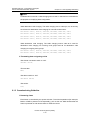
MOD CHGMODE: CHA=100, DAT=NORMAL, TS1="00&00", TA1=6, PA1=1, TB1=6, PB1=1,
AGIO1=100, TS2="00&00";
Huawei Technologies Proprietary
5-9