1
13.1. THE PYTHON THREADS AND MULTIPROCESSING MODULES
11
231
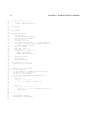
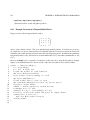
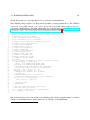
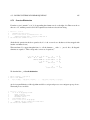
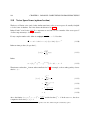
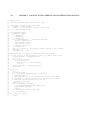
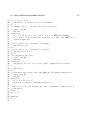
# sqrt(n); what’s left at the end are the primes
12
13
14
15
import sys
import math
from multiprocessing import Process, Lock, Array, Value
16
17
18
19
20
class glbls: # globals, other than shared
n = int(sys.argv[1])
nthreads = int(sys.argv[2])
thrdlist = [] # list of all instances of this class
21
22
23
24
25
26
27
28
29
30
31
32
33
34
35
36
37
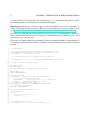
def prmfinder(id,prm,nxtk,nxtklock):
lim = math.sqrt(glbls.n)
nk = 0 # count of k’s done by this thread, to assess load balance
while 1:
# find next value to cross out with
nxtklock.acquire()
k = nxtk.value
nxtk.value = nxtk.value + 1
nxtklock.release()
if k > lim: break
nk += 1 # increment workload data
if prm[k]: # now cross out
r = glbls.n / k
for i in range(2,r+1):
prm[i*k] = 0
print ’thread’, id, ’exiting; processed’, nk, ’values of k’
38
39
40
41
42
43
44
45
46
47
48
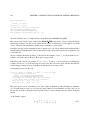
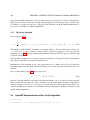
def main():
prime = Array(’i’,(glbls.n+1) * [1]) # 1 means prime, until find otherwise
nextk = Value(’i’,2) # next value to try crossing out with
nextklock = Lock()
for i in range(glbls.nthreads):
pf = Process(target=prmfinder, args=(i,prime,nextk,nextklock))
glbls.thrdlist.append(pf)
pf.start()
for thrd in glbls.thrdlist: thrd.join()
print ’there are’, reduce(lambda x,y: x+y, prime) - 2, ’primes’
49
50
51
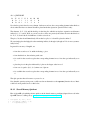
if __name__ == ’__main__’:
main()
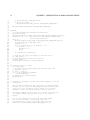
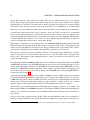
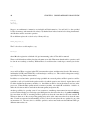
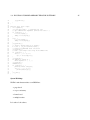
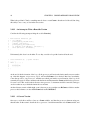
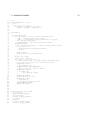
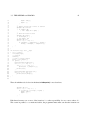
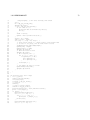
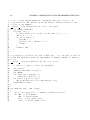
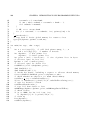
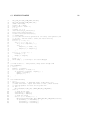
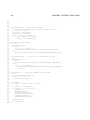
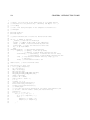
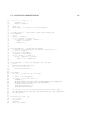
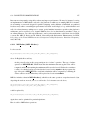
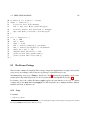
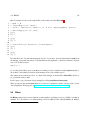
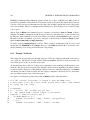
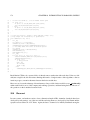
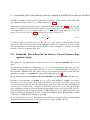
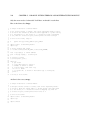
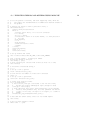
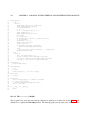
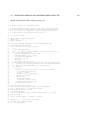
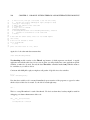
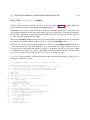
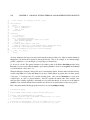
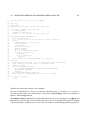
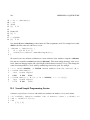
The main new item in this example is use of Array().
One can use the Pool class to create a set of threads, rather than doing so “by hand” in a loop as above.
You can start them with various initial values for the threads using Pool.map(), which works similarly to
Python’s ordinary map() function.
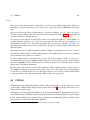
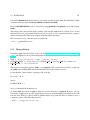
The multiprocessing documentation warns that shared items may be costly, and suggests using Queue and
Pipe where possible. We will cover the former in the next section. Note, though, that in general it’s difficult
to get much speedup (or difficult even to avoid slowdown!) with non-“embarrassingly parallel” applications.