1
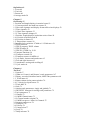
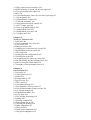
Chapter 22
Realtime MIDI Generator (RMG) 327
1. The basics 327
2. RMG components 328
3. Generating various types of event 328
3.1 Overview of fader assignments 329
4. Using the faders 329
4.1 Recording with the RMG 330
4.2 Delete movements 330
5. RMG example: volume (control 7) 331
6. Copy to all 331
7. Fader position snapshots 332
8. Fader grouping 332
9. Fader grouping snapshots 333
9.1 Storing and recalling fader group snapshots 3
9.2 Storing and recalling some (not all) faders positions 333
10. RMG tips 334
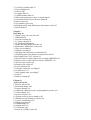
11. User-defined RMG elements (status: P_USER 5-12) 334
11.1 The basics 334
11.2 Overview 335
11.3 Defining the digital readouts, switches and faders 336
11.4 Example: user-defined faders with control 10 337
11.5 Listen to MIDI 337
11.5 Example: realtime control over reverb .338
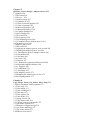
Chapter 23
Realtime MIDI Functions
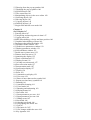
1. Signal flow 343
2. MIDI inputs 343
3. Input handling 343
3.1 Input filter 344
4. Merging the three inputs into one track 345
5. MIDI Thru: empty tracks, track parameters 345
6. Realtime MIDI processing 345
6.1 Realtime ghost tracks 345
6.2 Examples of realtime ghost tracks 346
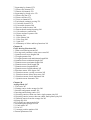
Chapter 24
Transform 349
1. The basics 349
2. Overview: functions and defaults 350
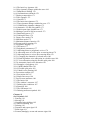
2.1 Transform and realtime transform 50
2.2 Transform sets 351
2.3 How a set can be used for realtime transform 351
2.3.1 Overview: data flow 352
2.4 Transform modes 352
2.1.1 Delete mode 352
2.1.2 Transform mode 353
2.4.3 Transcopy mode 353
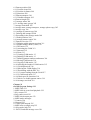
3. Structure of the transform window 353
4. Transform area 354
4.1 Conditions 354
4.2 Model 355