1
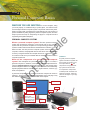
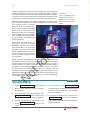
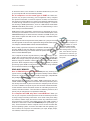
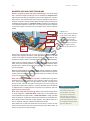
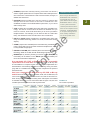
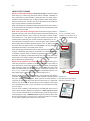
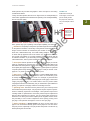
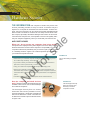
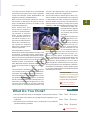
93 comp uter har dw are matrix printers can print text and graphics—some even print in color using a multicolored ribbon. Today, dot matrix printers, like the one in Figure 2-46, are used primarily for “back-office” applications that demand low operating cost and dependability, but not high print quality. What features should I look for in a printer? Printers differ in resolution, speed, duty cycle, operating costs, duplex capability, and memory. • Resolution. The quality or sharpness of printed images and text depends on the printer’s resolution—the density of the gridwork of dots that create an image. Printer resolution is measured by the number of dots printed per linear inch, abbreviated as dpi. At normal reading distance, a resolution of about 900 dpi appears solid to the human eye, but a close examination reveals a dot pattern. If you want magazine-quality printouts, 900 dpi is sufficient resolution. If you are aiming for resolution similar to expensive coffee-table books, look for printer resolution of 2,400 dpi or higher. fo • Print speed. Printer speeds are measured either by pages per minute ot (ppm) or characters per second (cps). Color printouts typically take longer than black-and-white printouts. Pages that contain mostly text tend to print more rapidly than pages that contain graphics. Typical speeds for personal computer printers range between 6 and 30 pages of text per minute. A fullpage 8.5 x 11 photo can take about a minute to print. • Unlike laser and ink jet technologies, a dot matrix printer actually strikes the paper and, therefore, can print multipart carbon forms. Characters are formed from a pattern of dots created as the wires strike an inked ribbon rs al e Print head contains a matrix of thin wires Figure 2-46 N Duty cycle. In addition to printer speed, a printer’s duty cycle determines how many pages a printer is able to churn out. Printer duty cycle is usually measured in pages per month. For example, a personal laser printer has a duty cycle of about 3,000 pages per month (ppm)—that means roughly 100 pages per day. You wouldn’t want to use it to produce 5,000 campaign brochures for next Monday, but you would find it quite suitable for printing 10 copies of a five-page outline for a meeting tomorrow. • Operating costs. The initial cost of a printer is only one of the expenses associated with printed output. Ink jet printers require frequent replacements of relatively expensive ink cartridges. Laser printers require toner cartridge refills or replacements. Dot matrix printers require replacement ribbons. When shopping for a printer, you can check online resources to determine how often you’ll need to replace printer supplies and how much they are likely to cost. Printer comparisons often specify printing costs per page. Color printouts average five cents or more per page. • Duplex capability. A duplex printer can print on both sides of the paper. This environment-friendly option saves paper but can slow down the print process, especially on ink jet printers that pause to let the ink dry before printing the second side. 2